Seminars / Lectures

New Report by IITM Scientists
General Document on Common Questions and Answers on Cloud Seeding

MoES-IITM High Resolution Global Forecast Model
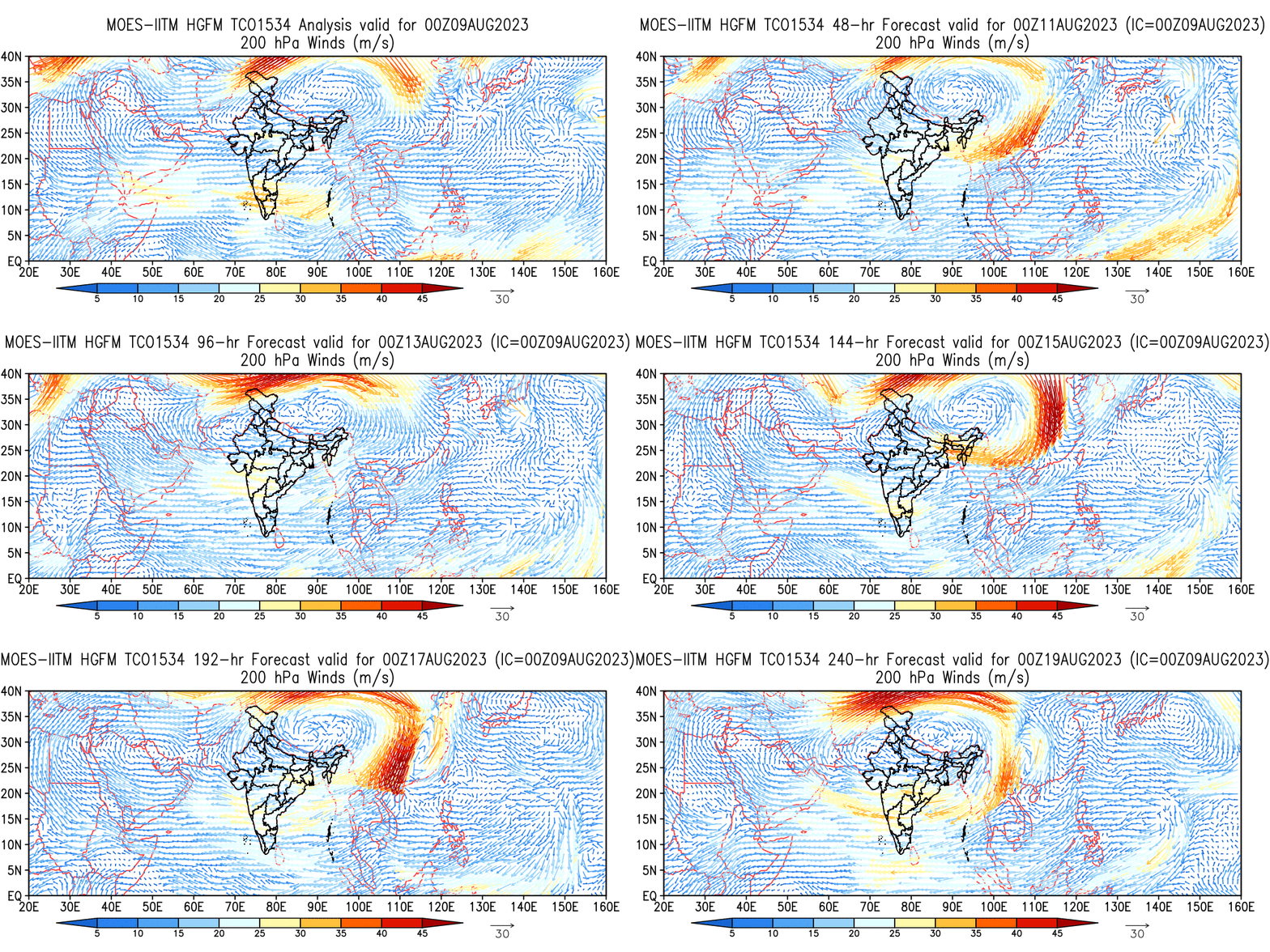
REAL TIME FORECAST
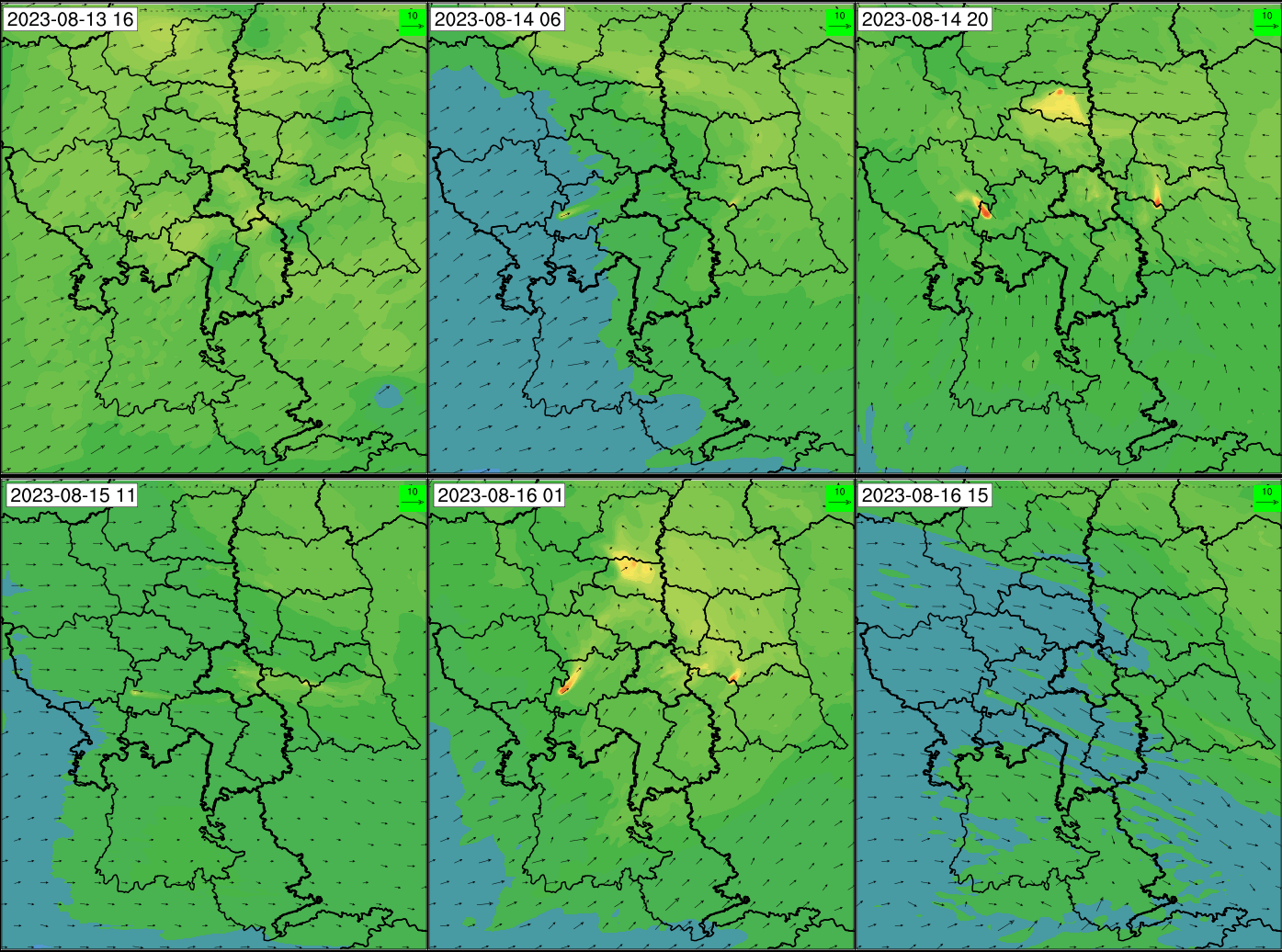
High resolution air quality forecast at 400 meter over Delhi
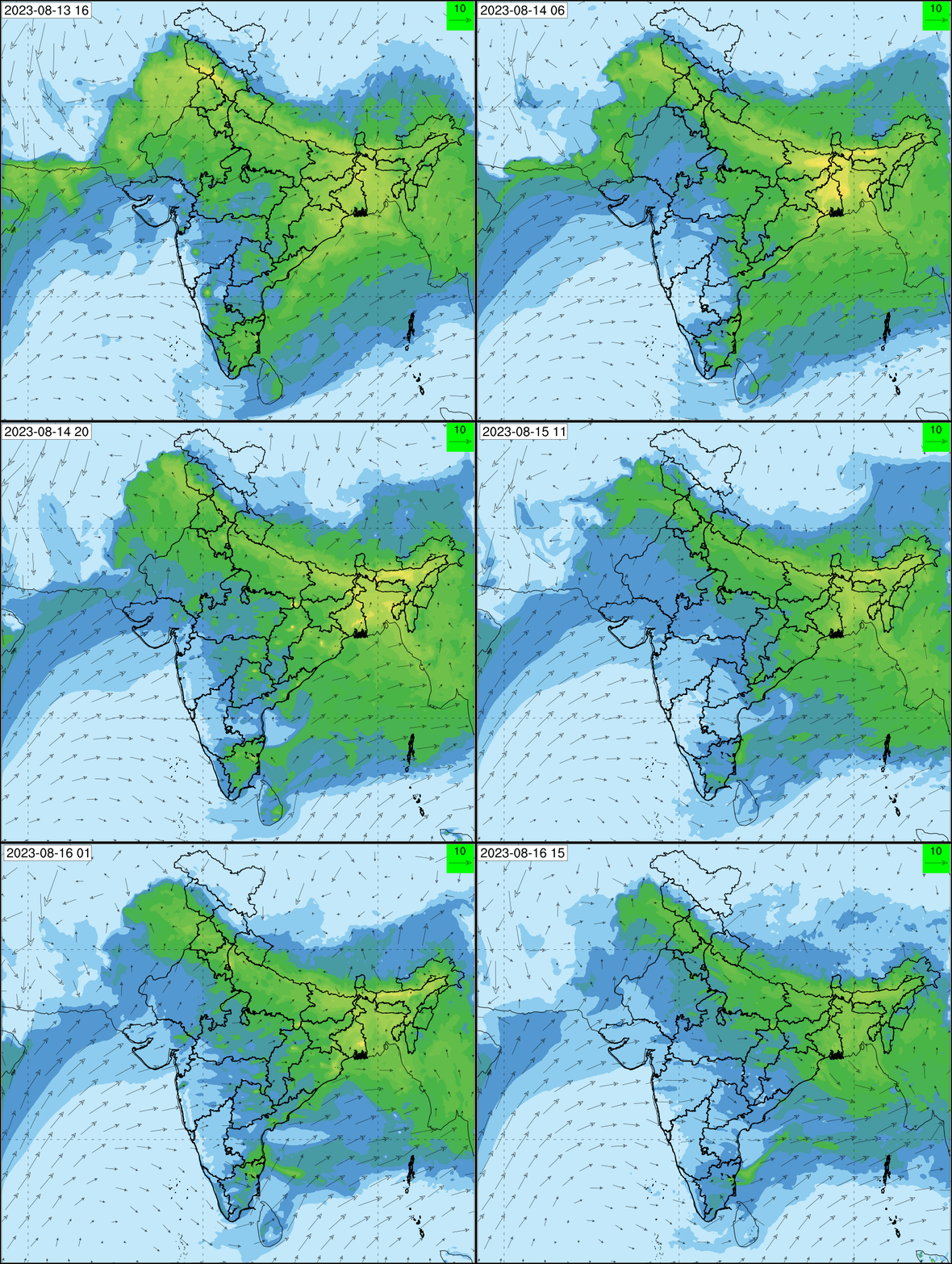
Air quality forecast at 10 km over India
IITM Publication Highlights
Seasonal variability of volatile organic compounds (VOCs) at a high-altitude station in the Western Ghats, India: Influence of biogenic, anthropogenic emissions and long-range transport
 The seasonal variability of VOCs along with meteorological parameters and associated sources over a high-altitude forested site in Western Ghats, India was investigated with a year-long dataset. The site receives predominately continental aged air masses except during monsoon. Biogenic emissions were dominant during pre-monsoon season. Isoprene was the largest emitted biogenic VOC in pre-monsoon (1.01 ppb). Observed monoterpene concentration had mixed biogenic and anthropogenic origin. Contribution of local traffic sources was evidenced at the SW of observation site. PMF analysis showed main contributions from biomass burning and aged air masses. The study revealed that VOCs over the high-altitude forested observation site is influenced by different types of anthropogenic and biogenic sources, which may further modulate the oxidative property of the atmosphere and may contribute largely to SOA formation.
Mukherjee S., Pandithurai G., Waghmare V., Mahajan A.S., Tinel L., Aslam M.Y., Meena G.S., Patil Sachin, Buchunde P., Kumar Anil, Atmospheric Environment, 331: 120598, August 2024, DOI:10.1016/j.atmosenv.2024.120598
Read MoreA machine learning based deep convective trigger for climate models
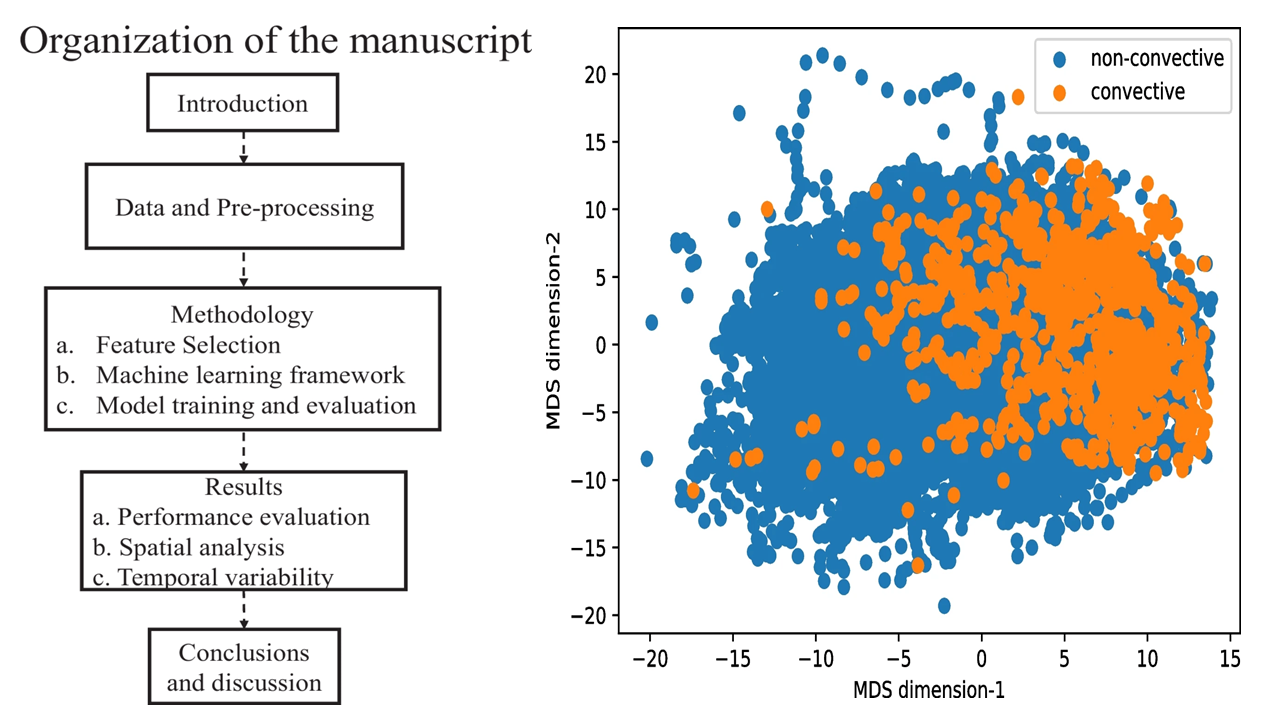 This study aims to fix a problem in climate models where deep convection (intense storms) happens too often. Current models use traditional methods based on physics, like CAPE (a measure of storm potential), but these can be inaccurate. The study suggests using machine learning (ML) to parametrize occurrence of deep convection. Two ML methods, support vector machines and neural networks, are tested. The study also introduces a new way to determine which factors are most important for making these predictions. The ML methods are compared to the traditional CAPE-based approach and show better results. Additionally, a simple method based on the Mahalanobis distance is deployed as an easy-to-use alternative with similar accuracy with better interpretability. By improving deep convection trigger using ML, this study hopes to reduce the problem of excessive drizzle in climate models and improve rainfall prediction.
Kumar Siddharth, Mukhopadhyay P., Balaji C., Climate Dynamics, Online, July 2024, DOI:10.1007/s00382-024-07332-w, 1-18
Read MoreLong-Term Trend in Black Carbon Mass Concentration Over Central Indo-Gangetic Plain Location: Understanding the Implied Change in Radiative Forcing
 A decade long Black Carbon (BC) mass concentration, one of the highly absorbing species in the atmosphere was investigated over the central Indo-Gangetic Plain (IGP) during the period from 2009 to 2021. BC shows a significant decreasing trend over the central IGP since 2009, with a significant seasonal heterogeneity. The associated radiative forcing also shows a decreasing trend over the region on yearly scale since 2009. A decreasing trend in Black Carbon-Aerosol Radiative Forcing (BC-ARF) within the atmosphere relates to decrease in BC mass concentration and suggests reduced atmospheric warming.
Mehrotra B.J., Srivastava Atul K., Singh A., Parashar D., Majumder N., Singh R.S., Choudhary A., Srivastava M.K., Journal of Geophysical Research: Atmospheres, 129: e2024JD040754, July 2024, DOI:10.1029/2024JD040754, 1-19
Read MoreIs a more physical representation of aerosol chemistry needed for fog forecasting?
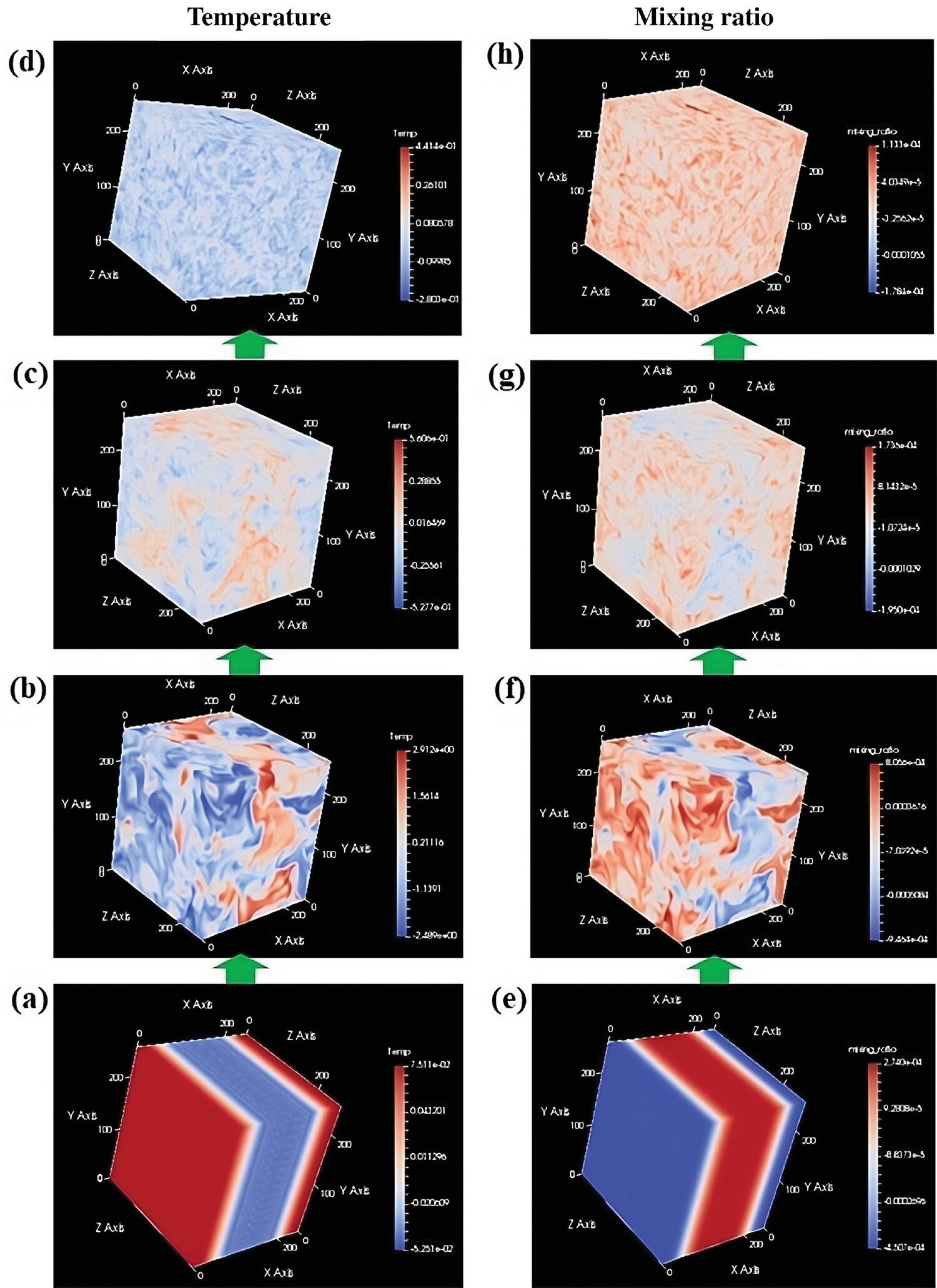 With the changing climate, the study of fog formation is essential due to the impact of the complexity of natural and anthropogenic aerosols. The Eulerian–Lagrangian particle-based small-scale model for the diffusional growth of droplets is used to better understand the droplet activation and growth. The small-scale model simulations are performed using observed data from the Winter Fog Experiment study over Indira Gandhi International Airport, New Delhi. This study compared visibility from an existing parametrization with parcel–direct numerical simulation calculation. The hygroscopicity κ, which is highly related to the activation of aerosols to condensation nuclei, is taken into account to demonstrate the contribution of aerosol chemistry to fog droplet formation. The results highlight that hygroscopicity is essential in the numerical model for fog and visibility prediction as the microphysical properties of fog are regulated by aerosol species.
Bhowmik M., Hazra A., Ghude S.D., Wagh S., Chowdhury R., Parde A.N., Govardhan G., Gultepe I., Rajeevan M., Quarterly Journal of the Royal Meteorological Society, 150, July 2024, DOI:10.1002/qj.4729, 2690-2711
Read MoreNew Publications
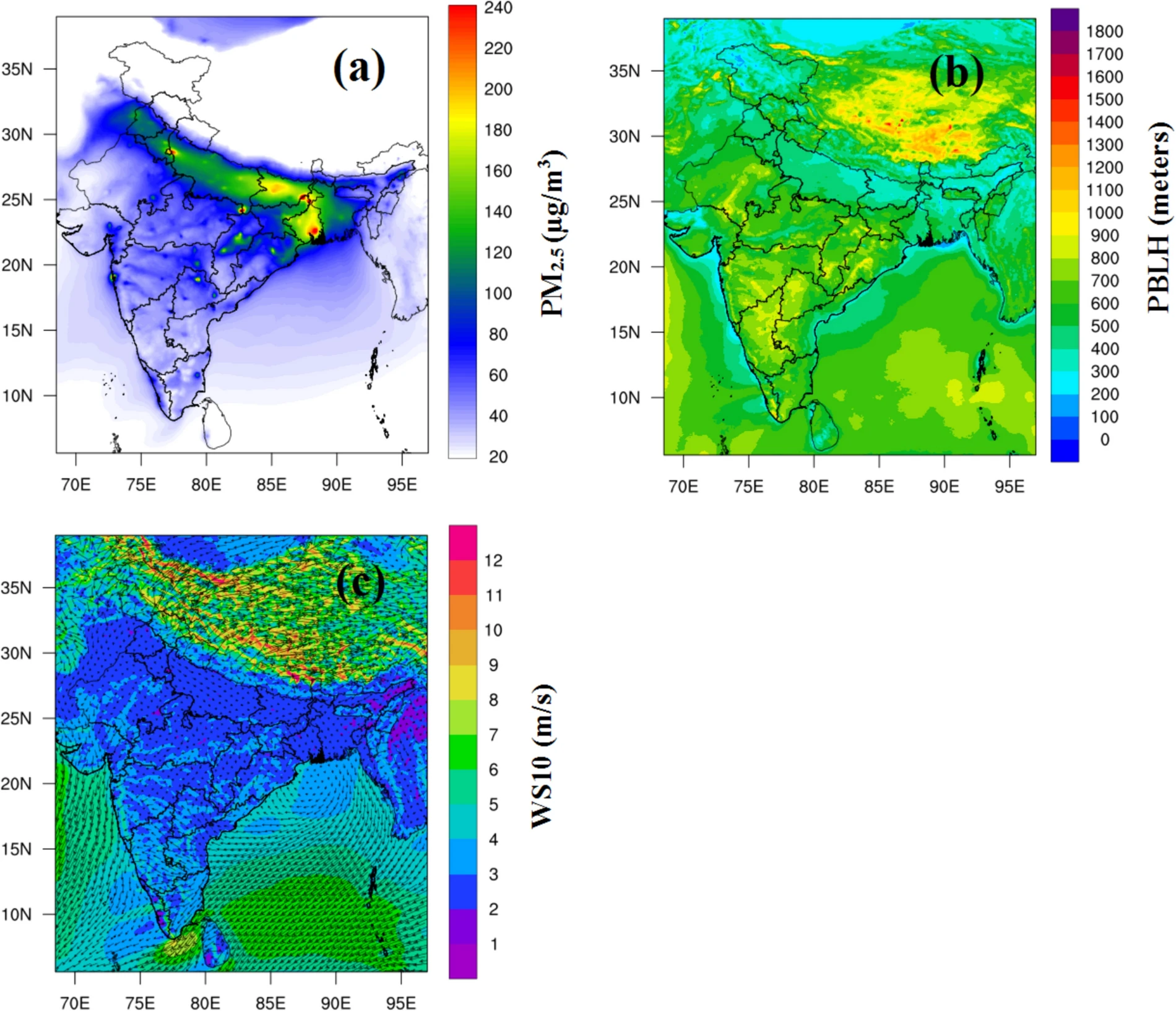
Wintertime source apportionment of PM2.5 pollution in million plus population cities of India using WRF-Chem simulation
Jat R., Gurjar B.R., Ghude S.D., Yadav P., Modeling Earth Systems and Environment, Online, August 2024, DOI:10.1007/s40808-024-02119-8, 1-18
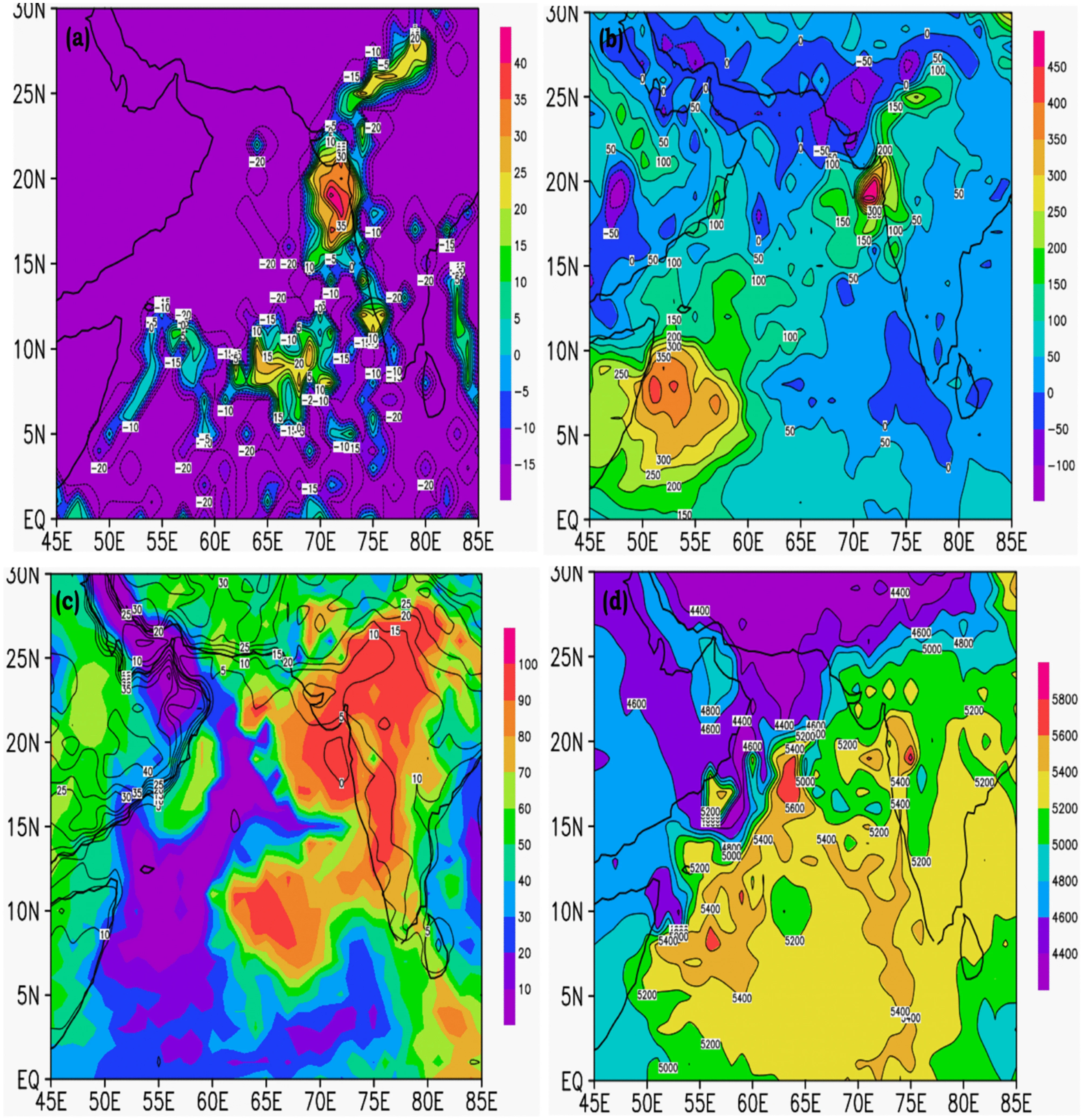
Association of Mesoscale Features With Tropical Cyclone Tauktae
Umakanth N., Kumar P.V., Biswasharma R., Gogineni R., Ahammad S.H., Rao M.C., Thalassas: An International Journal of Marine Sciences, Online, July 2024, DOI:10.1007/s41208-024-00740-z
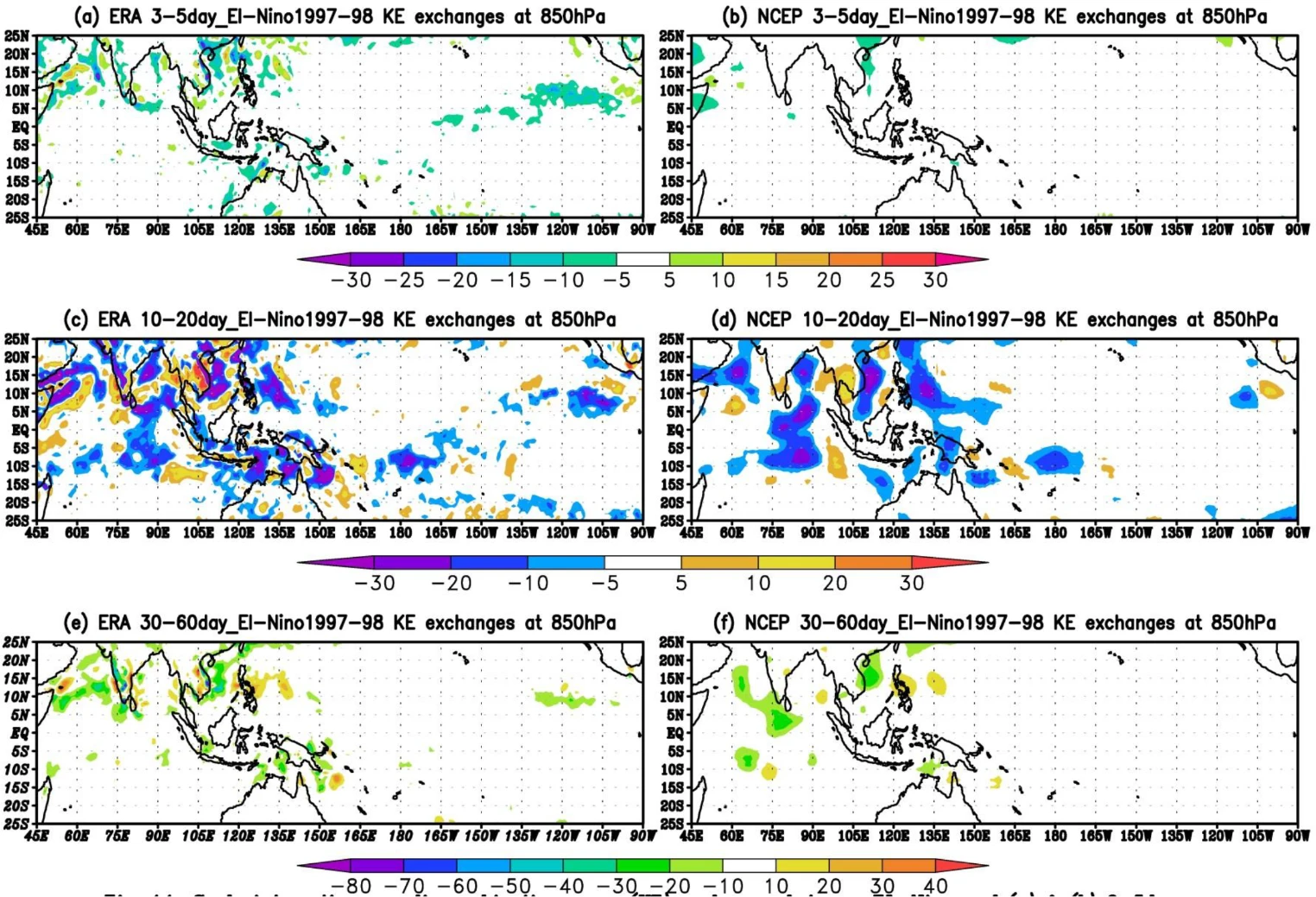
Scale interactions during ENSO – a new dynamical mechanism on unveiling ENSO-monsoon nonlinearity
De S., Agarwal N.K., Chowdary J.S., Patekar D., Theoretical and Applied Climatology, Online, July 2024, DOI:10.1007/s00704-024-05111-5, 1-20

Experimental investigation of the structure of plane turbulent wall jets. Part 1. Spectral analysis
Choudhary H., Gupta A., Bhatt S., Prabhakaran Thara, Singh A.K., Karipot A., Dixit S.A., Journal of Fluid Mechanics, 988: A42, July 2024, DOI:10.1017/jfm.2024.464, 1-55
IITM Events

Rajbhasha Utsav-2024
(01 August – 30 September 2024)
In celebration of Rajbhasha Utsav and in honour of the 132nd birth anniversary of Dr. S.R. Ranganathan, the Father of Library Science in India, a comprehensive user education session was conducted to empower the library users on 12 August 2024. Various Hindi competitions are being organized along with Hindi Diwas and Hindi Pakhwada during Rajbhasha Utsav.
Swachhata Pakhwada 2024
(01-15 July 2024)
Activities such as Plastic Collection Drive, cleanliness drive, distribution of seeds and tree plantation drive including outreach programs were carried out. Health Check-up Camp was also organized in the Institute in coordination with Jehangir Hospital, Pune.

National Training Workshop On: Climate impacts of carbonaceous Aerosols and Modeling
(NT-CCAM-2)
(25 -27 June 2024)
Three days modelling workshop on the aspect of climate impact of carbonaceous aerosols was organized for early carrier research fellows/ master students.
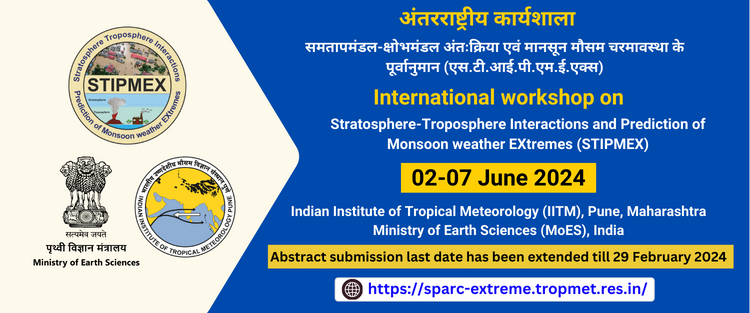
International Workshop on Stratosphere-Troposphere Interactions and Prediction of Monsoon weather EXtremes (STIPMEX)
(02-07 June 2024)
The workshop foster all observational/modelling aspects of the stratosphere-troposphere coupling processes and extreme weather events associated with Asian summer monsoon. During the workshop, one-day pre-workshop Training Session for students and early career scientists/professionals, an Interactive Poster session and Public Talks by Eminent Speaker were also arranged.