Seminars / Lectures
New Report by IITM Scientists
General Document on Common Questions and Answers on Cloud Seeding

MoES-IITM High Resolution Global Forecast Model
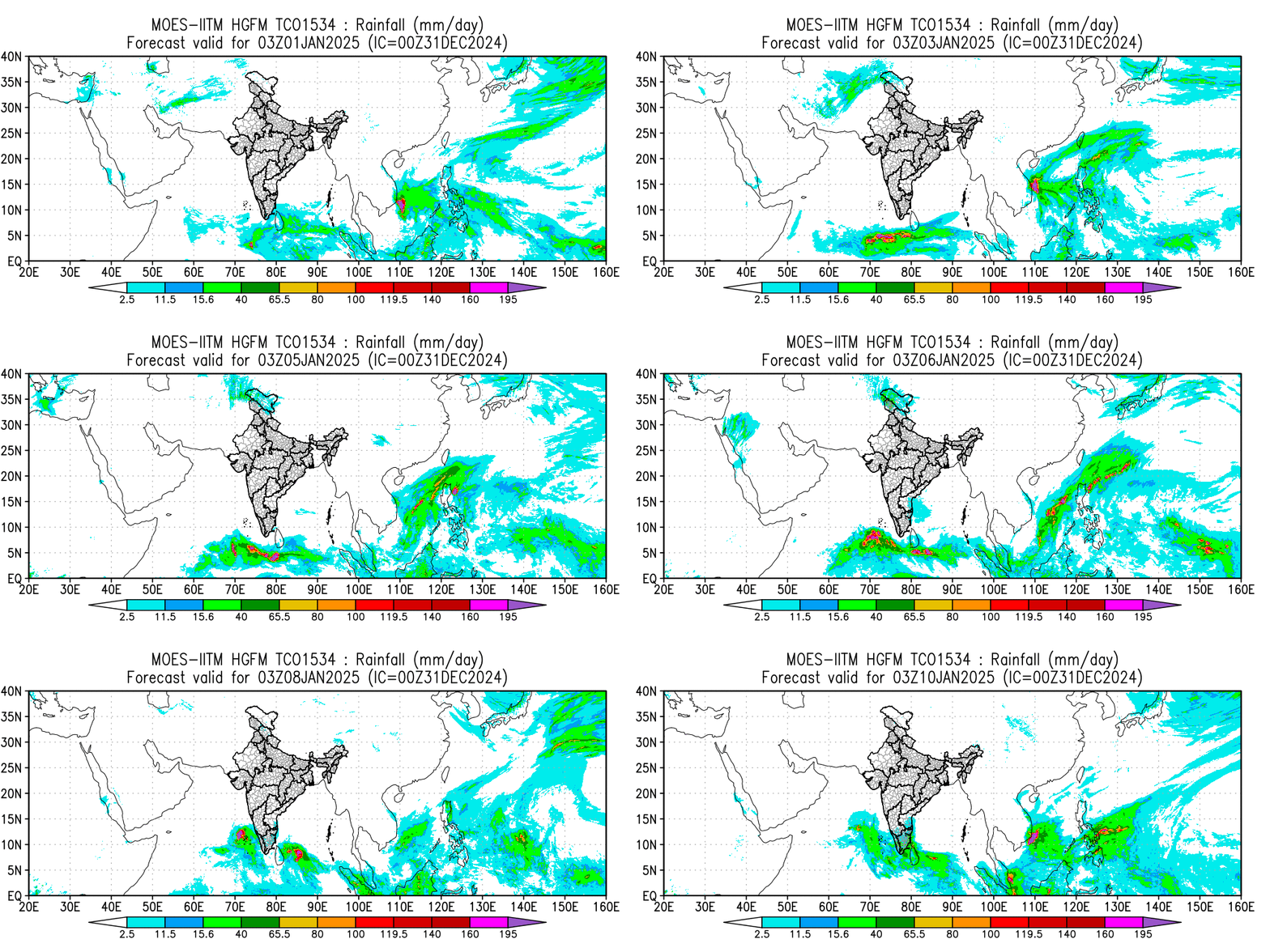
REAL TIME FORECAST
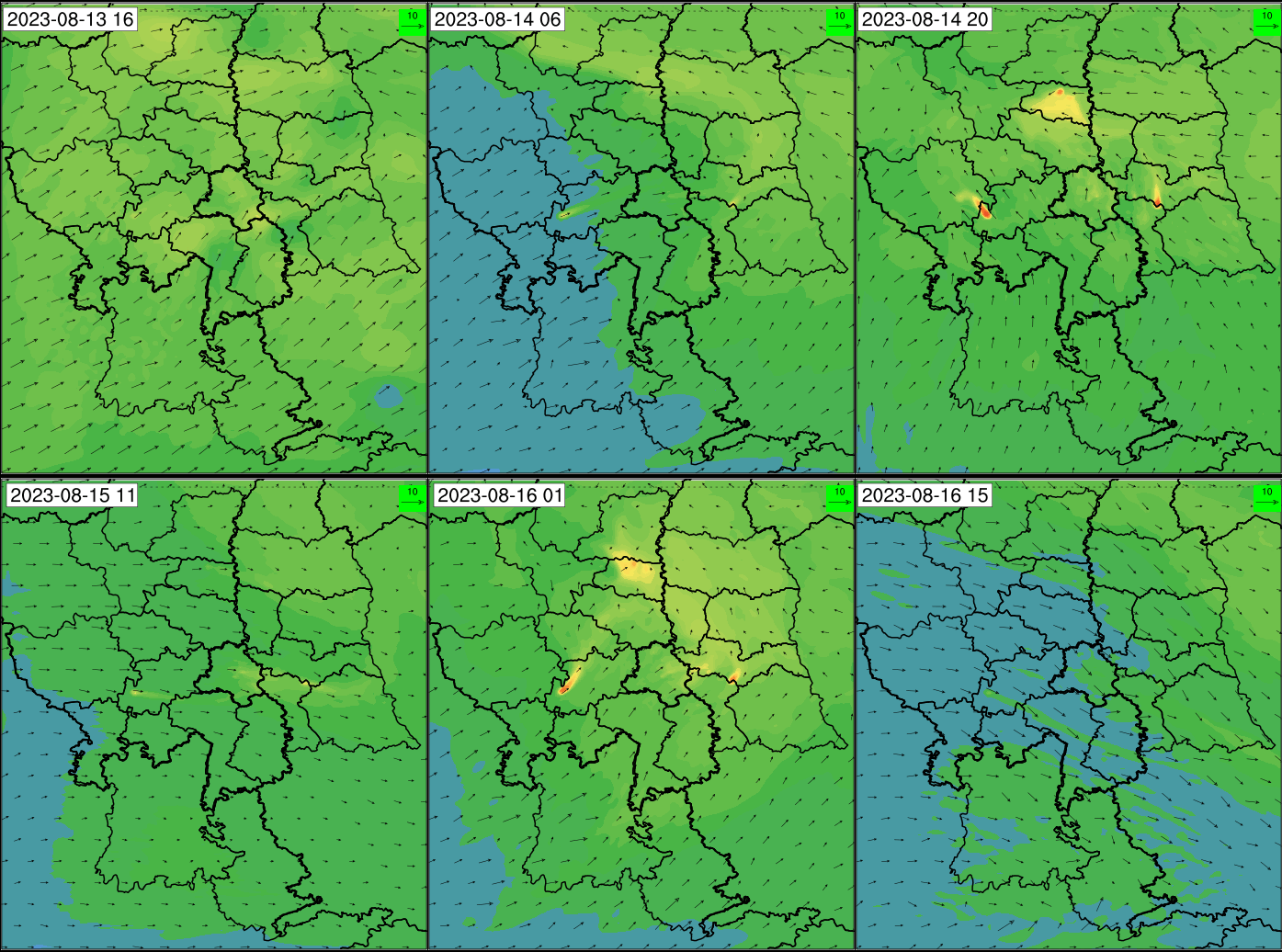
High resolution air quality forecast at 400 meter over Delhi
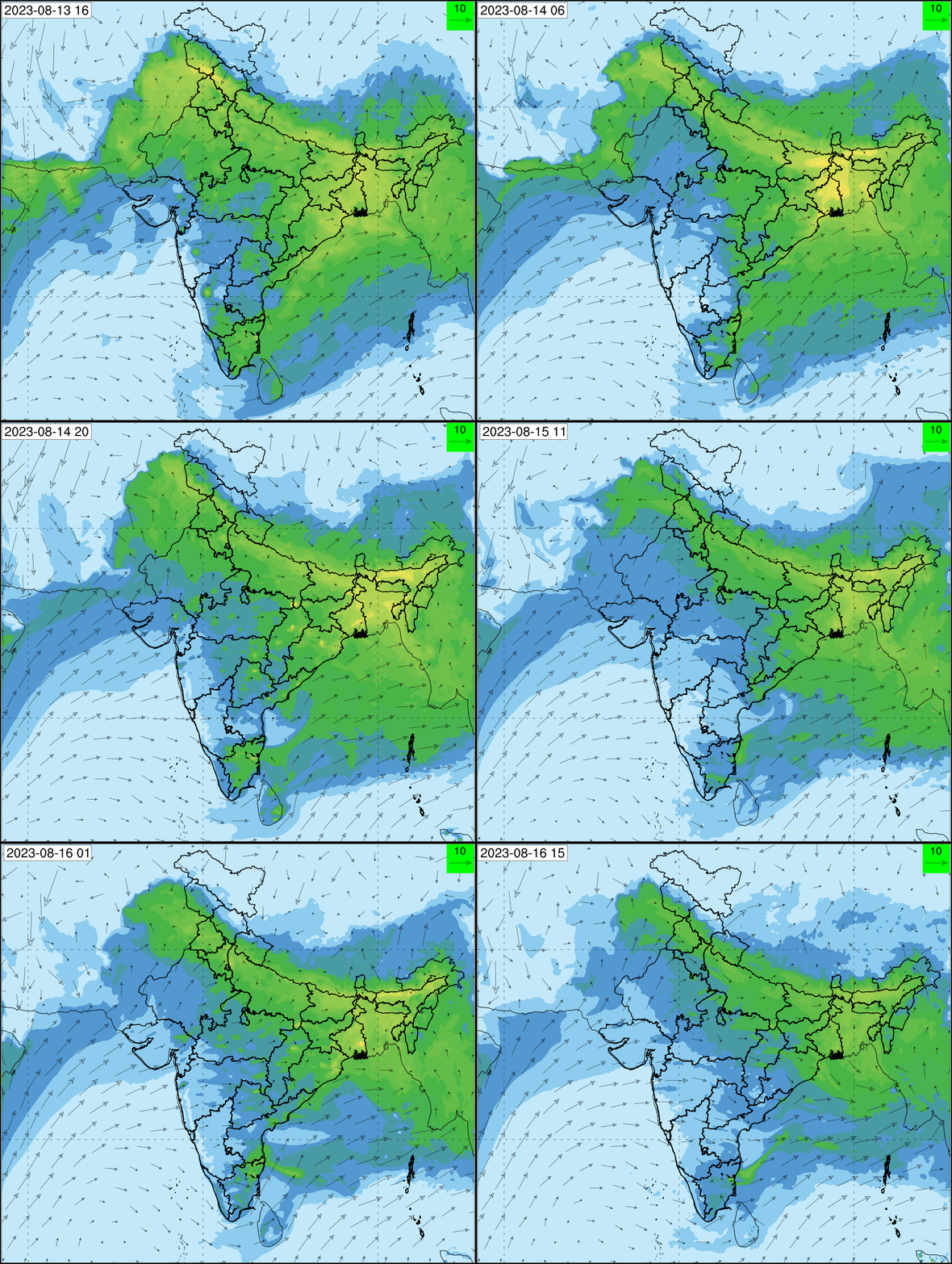
Air quality forecast at 10 km over India
IITM Publication Highlights
Importance of secondary ice production in mixed-phase monsoon clouds over the Indian subcontinent
 Ice forms in clouds through two key processes: primary and secondary ice production. Primary ice production refers to the direct formation of ice crystals from water vapor or supercooled liquid droplets. Secondary ice production (SIP), on the other hand, generates additional ice crystals in the presence of pre-existing ice. Major SIP mechanisms include the production of small splinters when ice particles collect supercooled cloud droplets, the shattering of freezing droplets, and the generation of smaller ice particles through collisions between ice particles. This study is the first to investigate the role of three major SIP mechanisms in mixed-phase monsoon clouds using CAIPEEX observations combined with high-resolution numerical simulations. Mixed-phase clouds are composed of water vapor, ice particles, and supercooled liquid droplets, and the balance between these phases influences their properties. Our findings show that SIP processes substantially alter cloud microstructure, drive phase changes, and reduce rainfall by 15%. These mechanisms also impact cloud top temperature and outgoing longwave radiation. The limited observational data on SIP mechanisms introduces systematic biases in weather and climate models when representing mixed-phase clouds. To address this, there is a pressing need for detailed airborne observations, cloud chamber experiments, and studies across diverse geographical regions. This research underscores the importance of incorporating SIP mechanisms to improve the representation of monsoon clouds in weather and climate models.
Patade S., Kulkarni G., Patade S., Waman D., Sotiropoulou G., Samanta S., Malap N., Prabhakaran Thara, Atmospheric Research, 315: 107890, April 2025, DOI:10.1016/j.atmosres.2024.107890, 1-22
Read MoreAdvancing effective radius parameterizations in climate models: insights from fundamental theoretical studies and CMIP6 model
 The effective radius of cloud droplets (reff), representing the ratio of the third to the second moment of the droplet size distribution, is a pivotal factor in inferring the cloud optical properties, such as cloud optical thickness, and single scattering albedo, and consequently plays a vital role in the calculation of radiative properties. Effective radius holds significance not only in assessing the global radiation budget but also in incorporating the aerosol indirect effect within climate models. Hence, refining the parameterization of cloud droplet’s effective radius in earth system models (ESMs) has emerged as a critical endeavor for assessing climate change. The analysis of CMIP6 models indicate that adopting appropriate β value in the effective radius parameterization is crucial to mitigate the bias in reff. Thus, better parameterization of the cloud effective radius remains essential for elucidating the radiative impacts in ESMs.
Bhowmik M., Ayantika D.C., Swapna P., Hazra A., Krishnan R., Climate Dynamics, 63: 7, January 2025, DOI:10.1007/s00382-024-07500-y, 1-16
Read MoreHeat waves in India: patterns, associations, and subseasonal prediction skill
 Heat waves (HWs) in India during March–June and from 1951 to 2023 are thoroughly analysed in this work, emphasising trends, decadal variations, and related large-scale features. Average HW days per decade and anomalies are computed using HW criteria based on high-resolution maximum temperature (Tmax) data. The findings indicate a notable increase in HW occurrence in the central, southeast, and northwest regions after the year 2000. Examining the spatial HW trends exposes a notable increase in total HW days/year over northwest, central and south-eastern regions, while few others witness decreasing trends. The study reveals significant increasing trends in the total number of HW days in the two HW-prone regions, Northwest (NW) and Southeast (SE), from 1951 to 2023, where HW spells have also become more persistent. Incorporating ERPSv2 adds a practical dimension, enhancing HW predictions and facilitating timely responses to extreme heat events, crucial for public health measures and climate resilience planning in the face of escalating HW occurrences.
Mandal R., Joseph S., Waje S., Chaudhary A., Dey Avijit, Kalshetti M., Sahai A.K., Climate Dynamics, 63: 42, January 2025, DOI:10.1007/s00382-024-07539-x, 1-16
Read MoreArtificial Intelligence Based Investigation for the Impact of High PM2.5 Concentration on Cloud Parameters over the Polluted Central IGP location, Kanpur
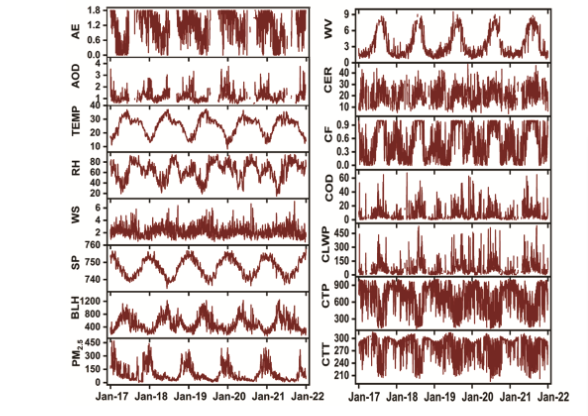 This research focuses on using artificial neural network (ANN) models to assess daily surface PM2.5 concentrations by incorporating aerosol optical depth (AOD) and cloud parameters from the Moderate Resolution Imaging Spectroradiometer (MODIS), along with meteorological data, for the period from January 2017 to December 2021 over Kanpur. For this exercise, three ANN models were utilized: ANN1, ANN2, and ANN3. The study also examined spatial and temporal changes on a seasonal and annual basis, as well as during high PM2.5 concentration conditions. High PM2.5 concentrations significantly influenced crucial cloud microphysical properties. The research findings aid in estimating PM2.5 using satellite-retrieved AOD and meteorological data, providing insights into aerosol and cloud properties variability during high pollution events in the heavily polluted city of Kanpur, India.
Verma P.K., Srivastava Atul K., Shukla S.P., Pathak V., Mehrotra B.J., Srivastava M.K., Indian Journal of Pure and Applied Physics, 62, December 2024, DOI:10.56042/ijpap.v62i12.13527, 1138-1149 (Impact Factor 0.6)
Read MoreNew Publications
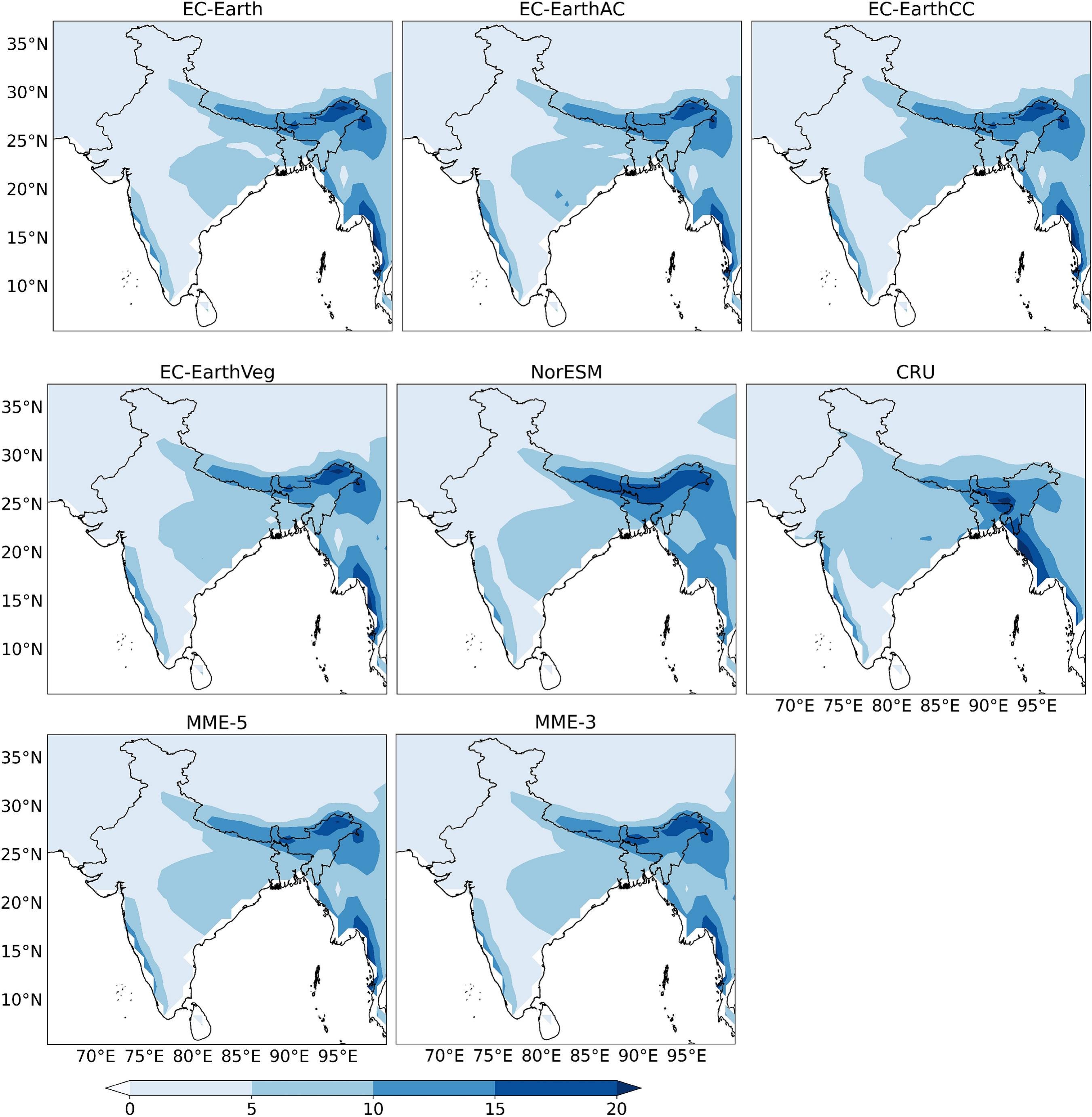
Historical and future projections of southwest monsoon rainfall extremes: a comprehensive study using CMIP6 simulations
Varikoden H., Jamshadali V.H., George C., Reshma T., Vishnu R., Atmospheric Research, 315: 107870, April 2025, DOI:10.1016/j.atmosres.2024.107870, 1-23

Can a 12 Km GFS model simulate the observed relationship between cloud optical properties and extreme rainfall of Indian Summer monsoon?
Goswami T., Mukhopadhyay P., Phani M.K.R., Rajeevan M., Chowdhuri S., Weather and Forecasting, 40, January 2025, DOI:10.1175/WAF-D-24-0010.1, 79–91
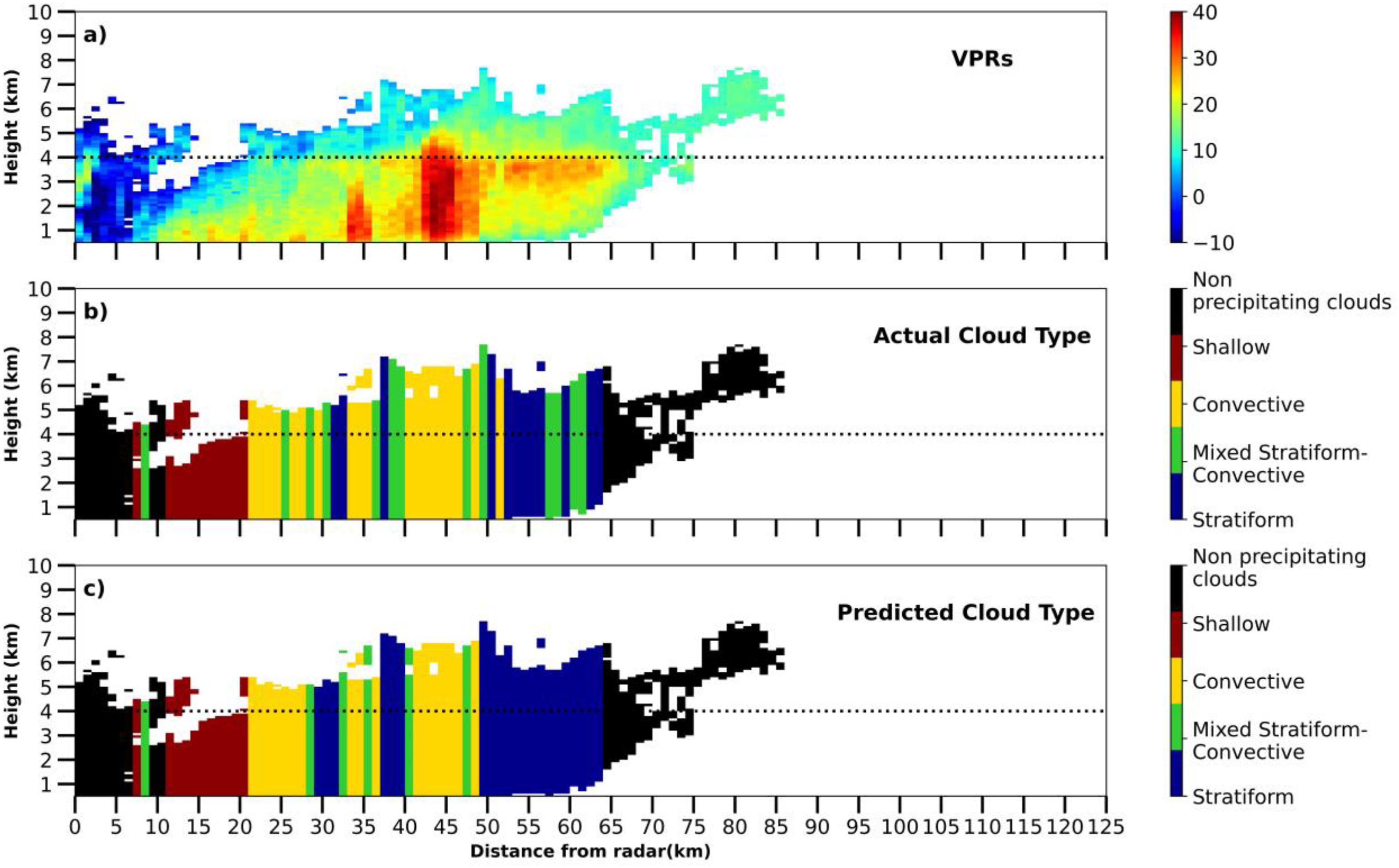
CloudSense: A model for cloud type identification using machine learning from radar data
Nizar M., Jha Ambuj K., Singh Manmeet, Vaisakh S.B., Pandithurai G., Applied Computing and Geosciences, 24: 100209, December 2024, DOI:10.1016/j.acags.2024.100209, 1-12
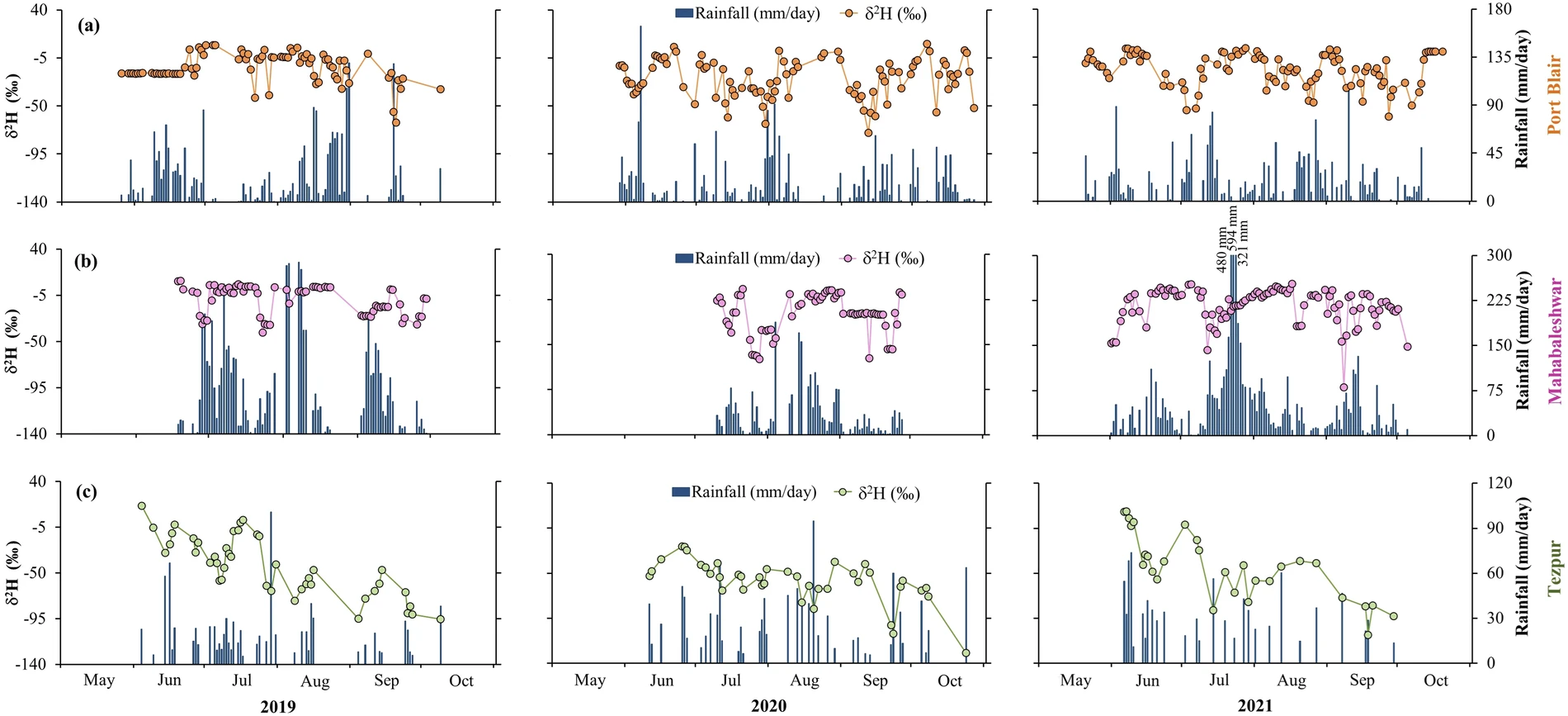
Three Years of Stable Water Isotope Data of Daily Rain Samples Collected from Three Geomorphic Regions of India
Rajaveni S.P., Nimya S.S., Sengupta S., Datye A., Sarma D., Scientific Data, 11: 1445, December 2024, DOI:10.1038/s41597-024-04308-7, 1-7
IITM Events
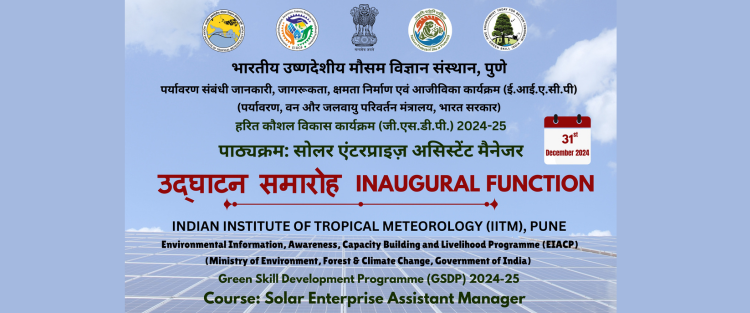
Green Skill Development Programme (GSDP) - Solar Enterprise Assistant Manager
The IITM-EIACP Centre has introduced the comprehensive skilling program designed to equip trainees with the knowledge and expertise required for sustainable solar energy management. The programme duration is of 510 hrs which offers a 360-hrs theoretical and practical training, with 180 hrs of on-the-job training for hands-on experience in solar enterprise management, including installation, maintenance, and business development.
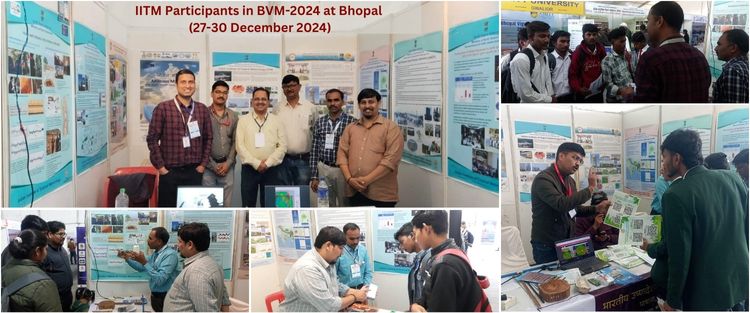
Bhopal Vigyan Mela 2024 (BVM-2024)
(27-30 December 2024)
IITM participated in the 11th BVM-2024 at Jamburi Maidan, Bhopal (M.P.) organised by Madhya Pradesh Council of Science & Technology under Science & Technology Department of Government of Madhya Pradesh in collaboration with Vigyan Bharati (VIBHA). The focal theme of BVM-2024 is “Viksit Bharat 2047, Ka Aadhar: Vigyan Prodyogiki aur Navachar”.

India International Science Festival 2024 (IISF2024)
(30 November to 04 December 2024)
IITM participated in the 10th India International Science Festival at IIT Guwahati, Assam, from. During the Sagarika: The Tale of Earth Sciences event at IISF2024, a presentation was made on the research activities conducted by IITM in NorthEast India.

One-day workshop and brainstorming meeting on Soil Moisture Measurements to Modeling and Scaling (SoM2Ms)
(26 November 2024)
The meeting was held at IITM. Experts from various institutions participated in the meeting to discuss creating a pan India soil moisture data products.