Seminars / Lectures
New Report
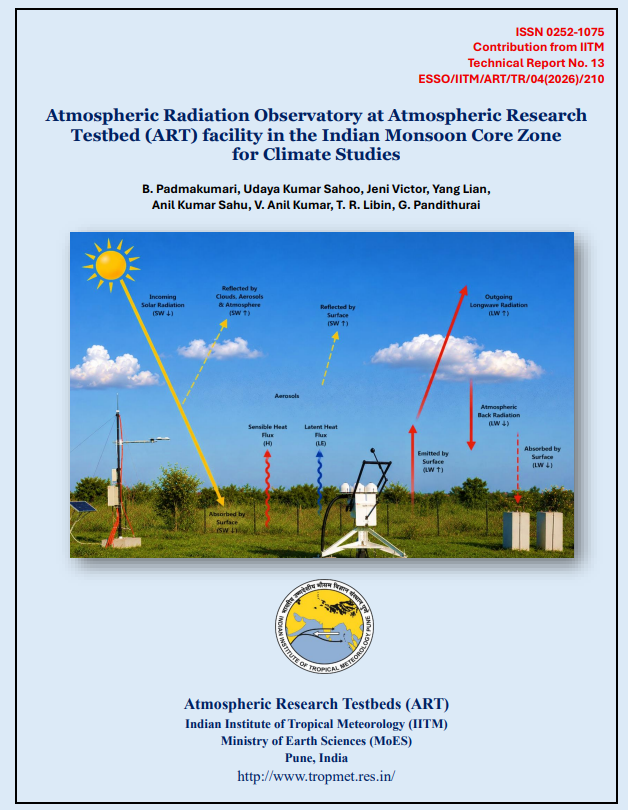
1. Atmospheric Radiation Observatory at Atmospheric Research Testbed (ART) facility in the Indian Monsoon Core Zone for Climate Studies
Read Full Report
2. Proceedings of the 11th WMO Scientific Conference on Weather Modification
Read Full Report
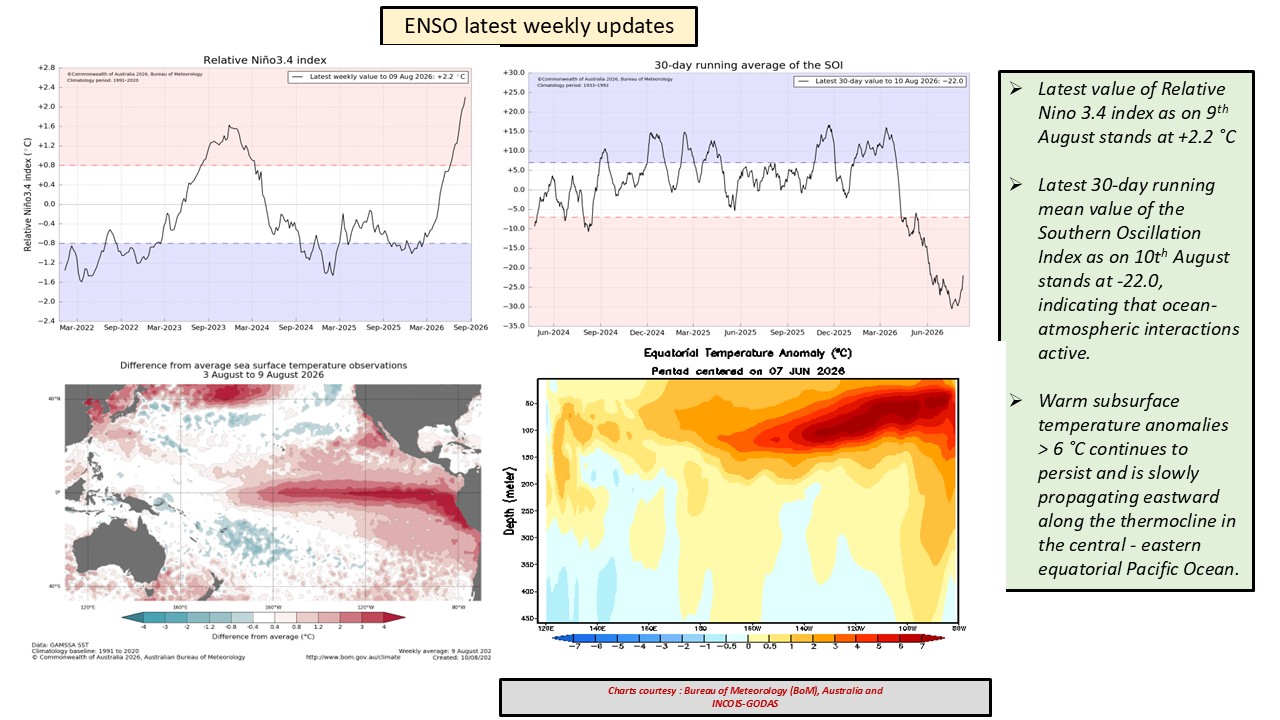
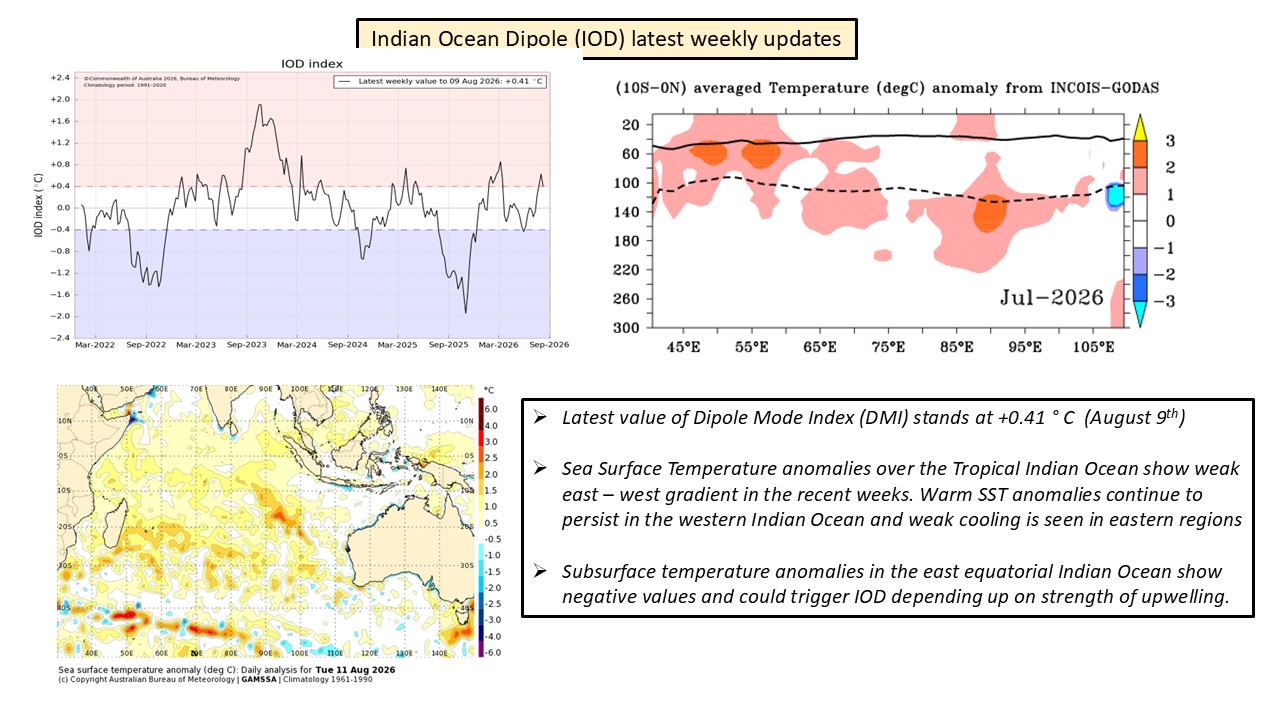
El Niño weekly update
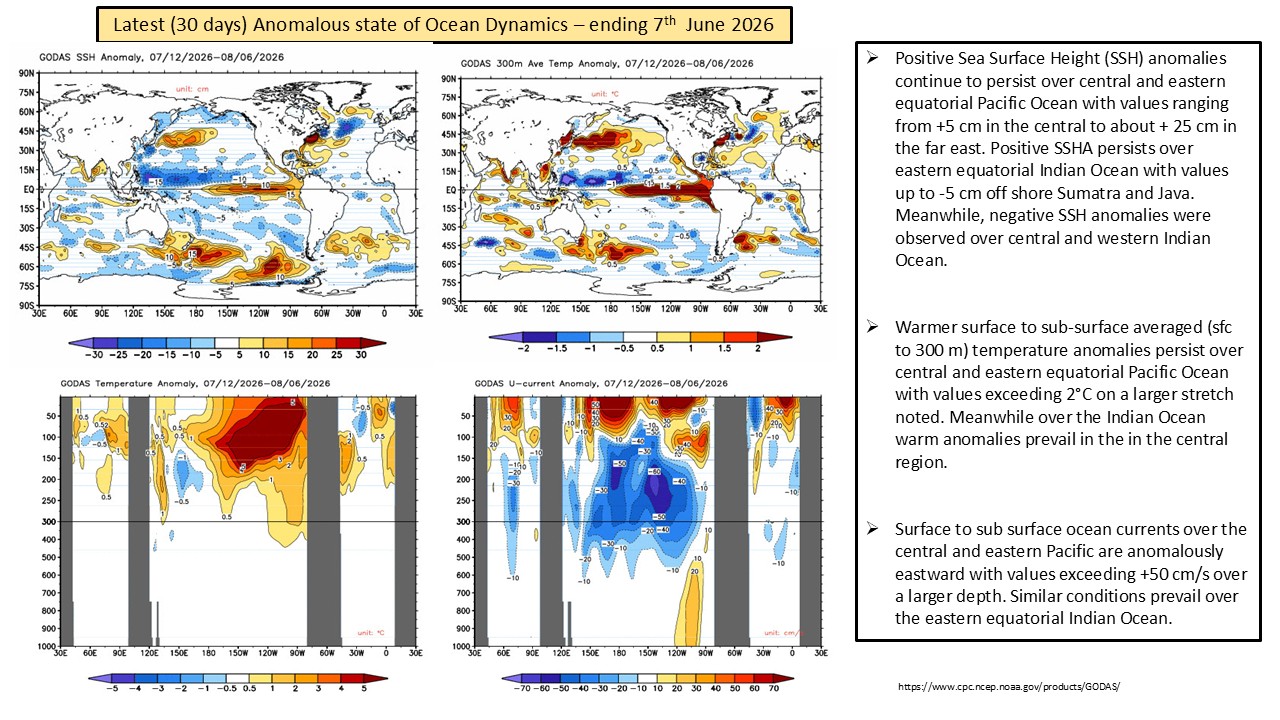
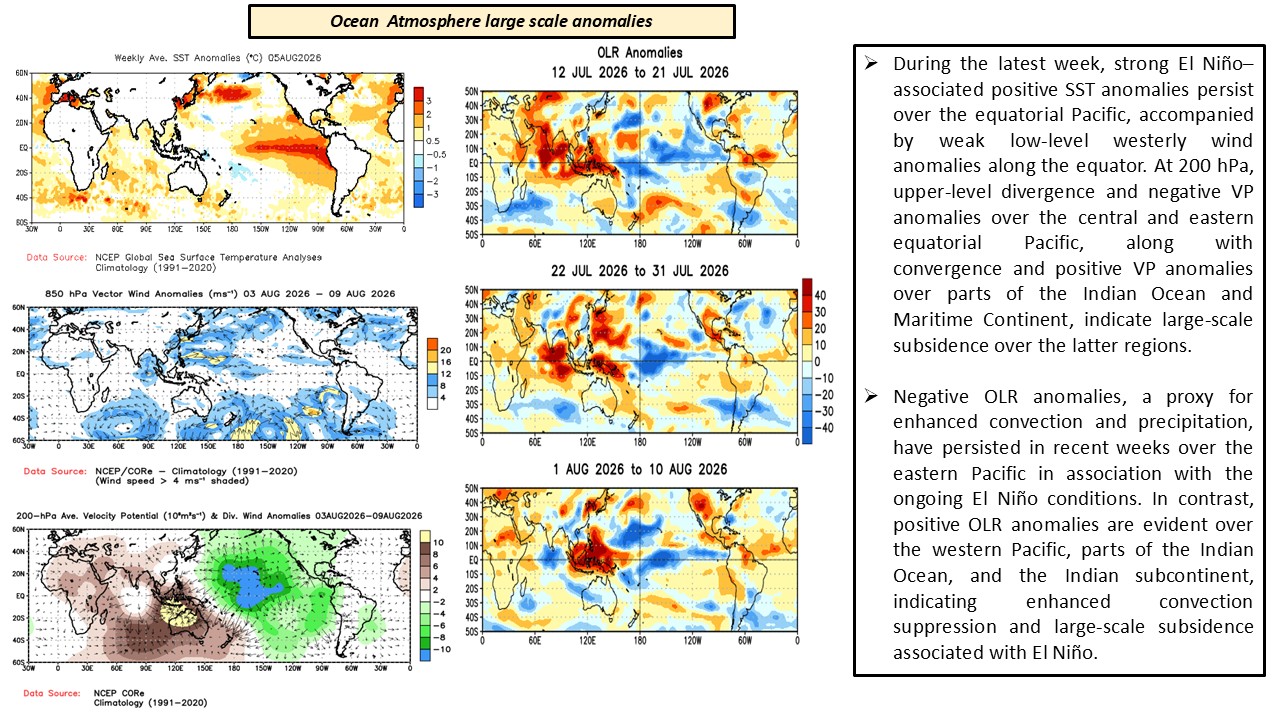
Bharat Forecast System
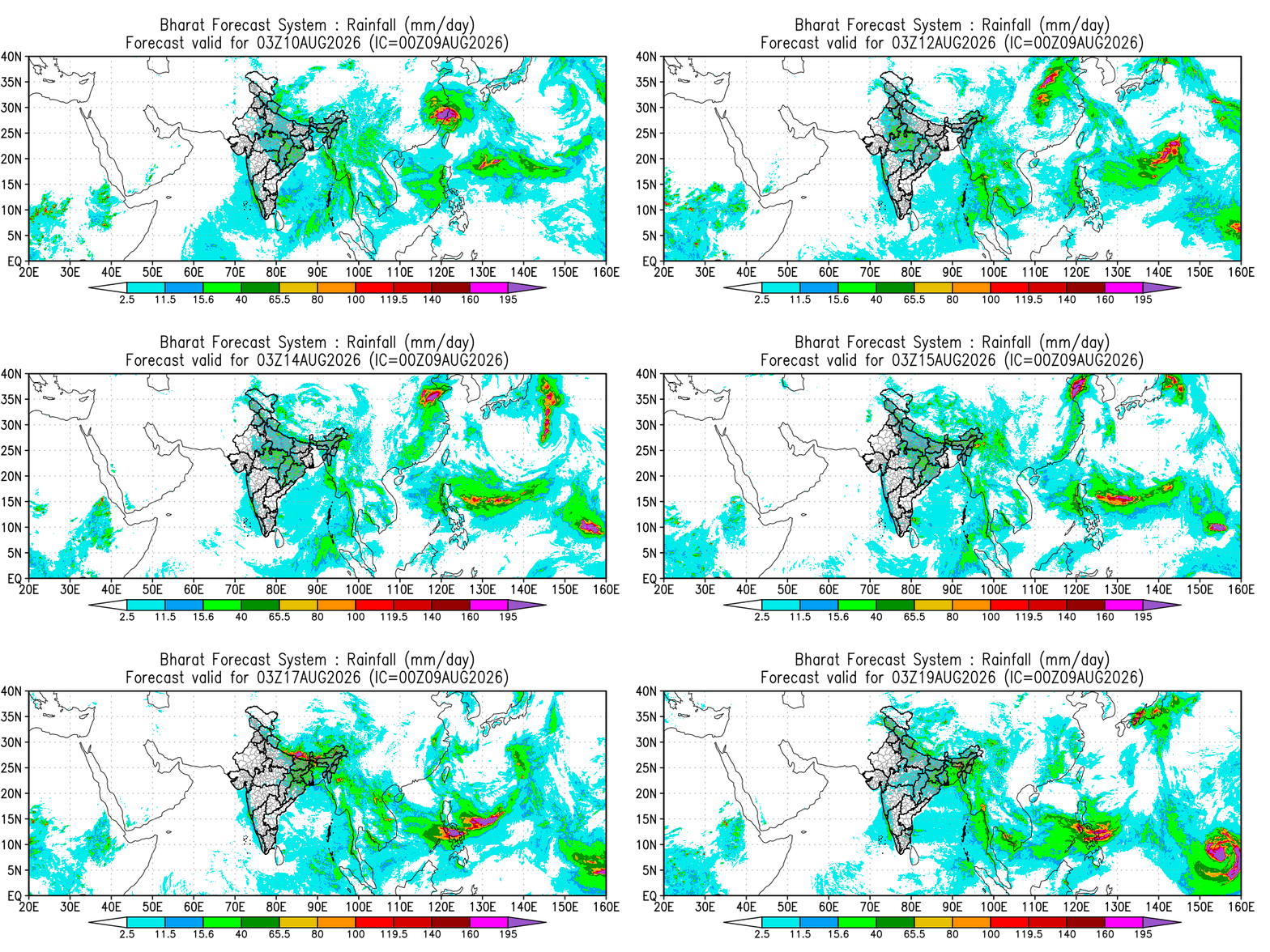
REAL TIME FORECAST
High resolution air quality forecast at 400 meter over Delhi
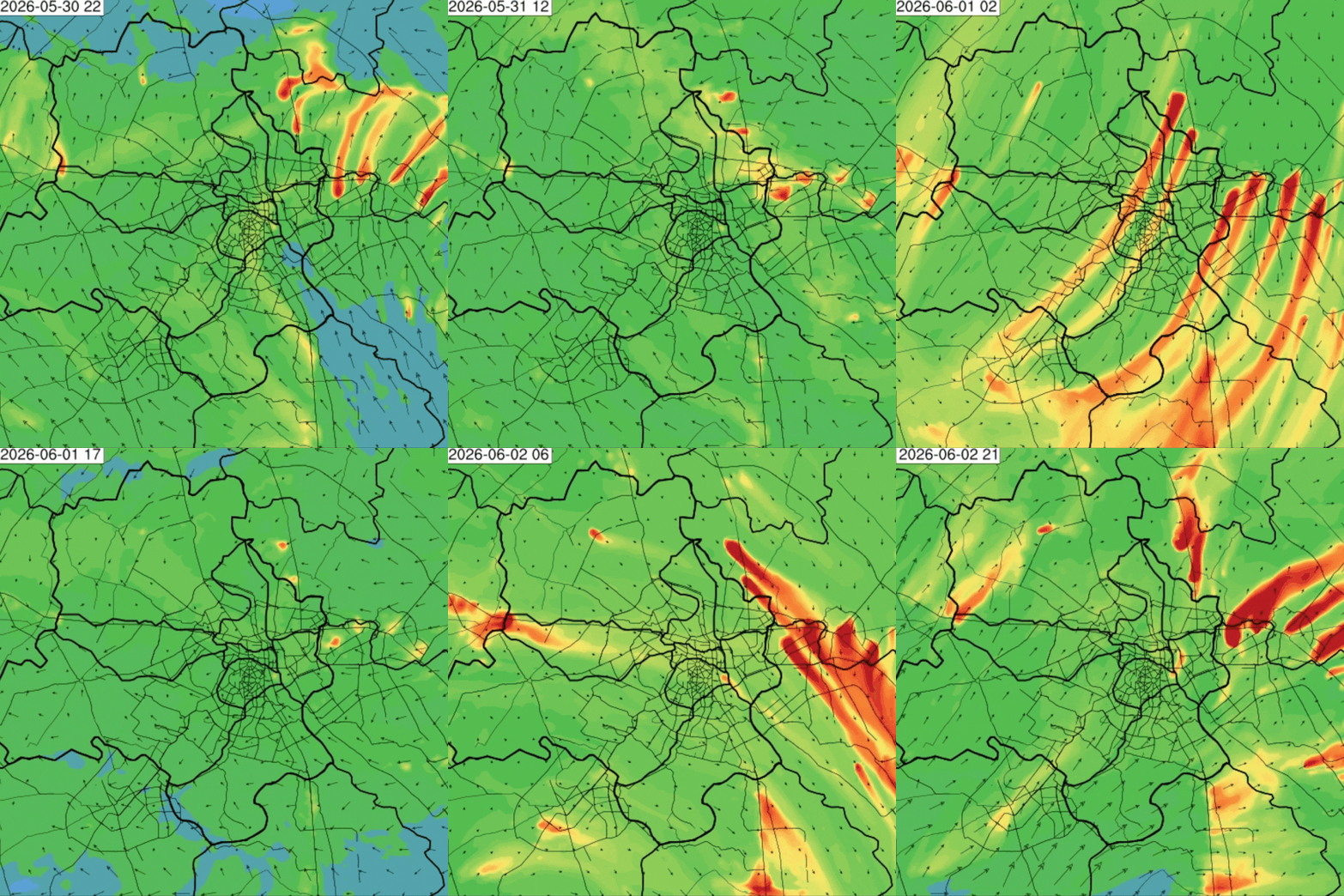
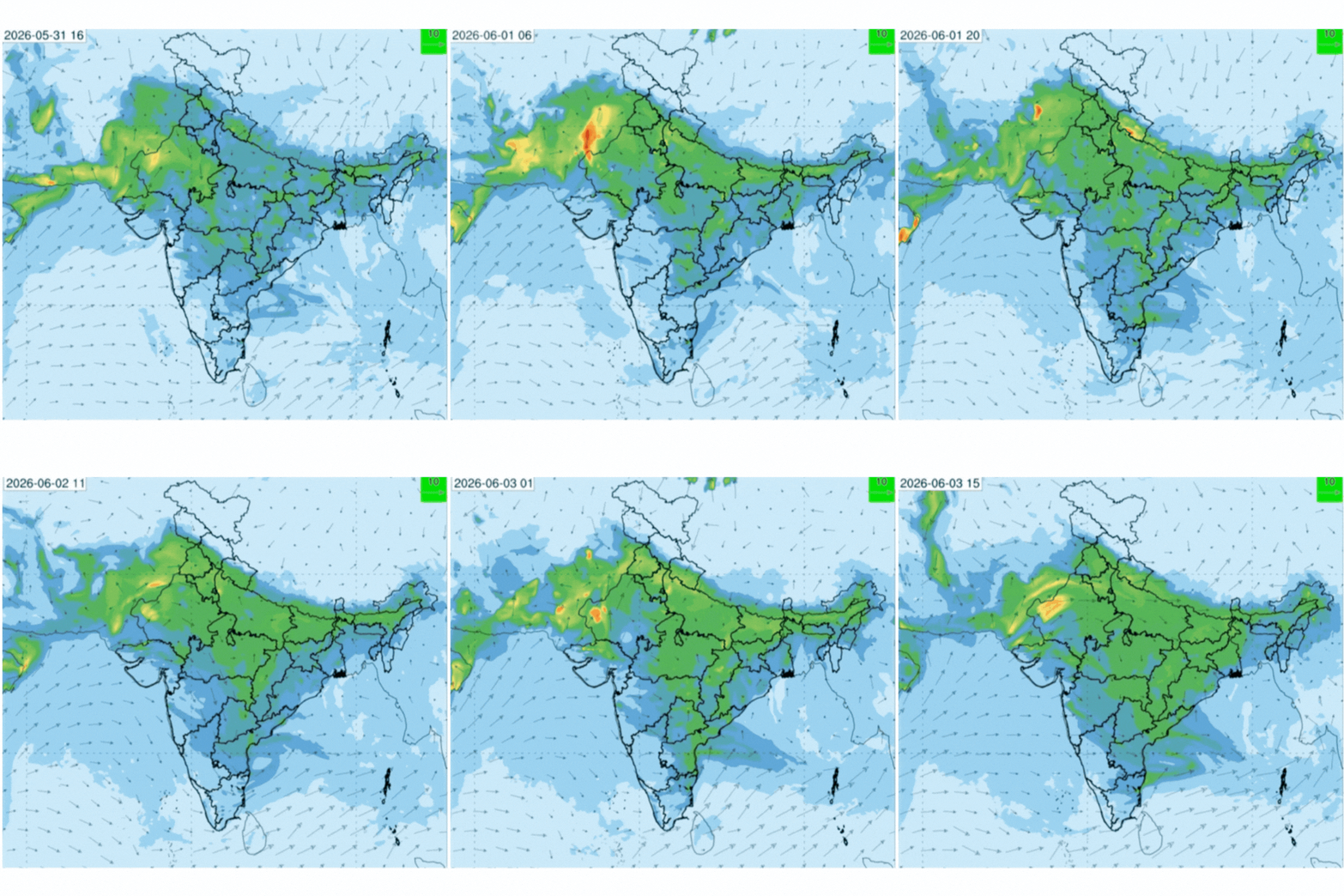
Air quality forecast at 10 km over India
IITM Publication Highlights
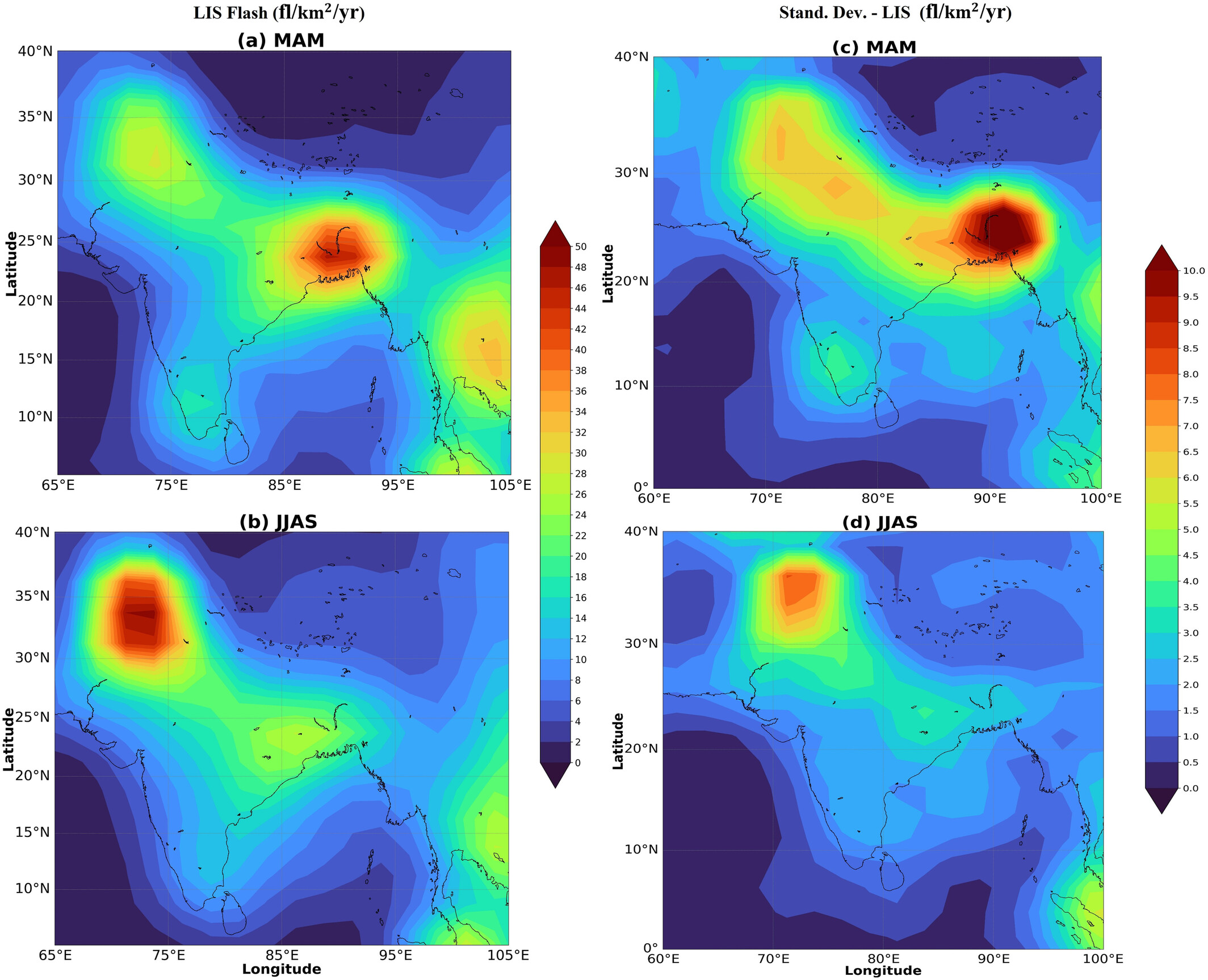
Heterogeneity of Lightning Flash Density and Its Association With Thermodynamical, Dynamical and Cloud Microphysical Properties Over Indian Subcontinent
Lightning related to thunderstorms is a significant global natural hazard, influenced by the characteristics of thunderclouds and their environmental conditions. Understanding the spatial and temporal variations in lightning and convection is vital for cloud electrification processes and for enhancing lightning safety strategies. In the Indian subcontinent, distinct regional variability affects the link between thunderstorm activity and various meteorological parameters, largely due to the accumulation of large ice particles in convective clouds, which correlates with convective available potential energy (CAPE). The study identifies a strong relationship between lightning activity and ice-related cloud properties, with Ice Convective Precipitation Flux (ICPF) showing the highest correlation. Lightning predominantly occurs with intense convective rainfall, especially before the monsoon, while showing a weaker connection to stratiform rainfall. These findings underscore the role of meteorological conditions and cloud microphysics in lightning activity, providing insights for better storm prediction and thunderstorm understanding.
Hazra A., Mallick C., Bhowmik M., Dutta U., Domkawale M.A., Pawar S.D., Rao Suryachandra A., International Journal of Climatology, 46, July 2026, DOI:10.1002/joc.70512, 1-20
Read More
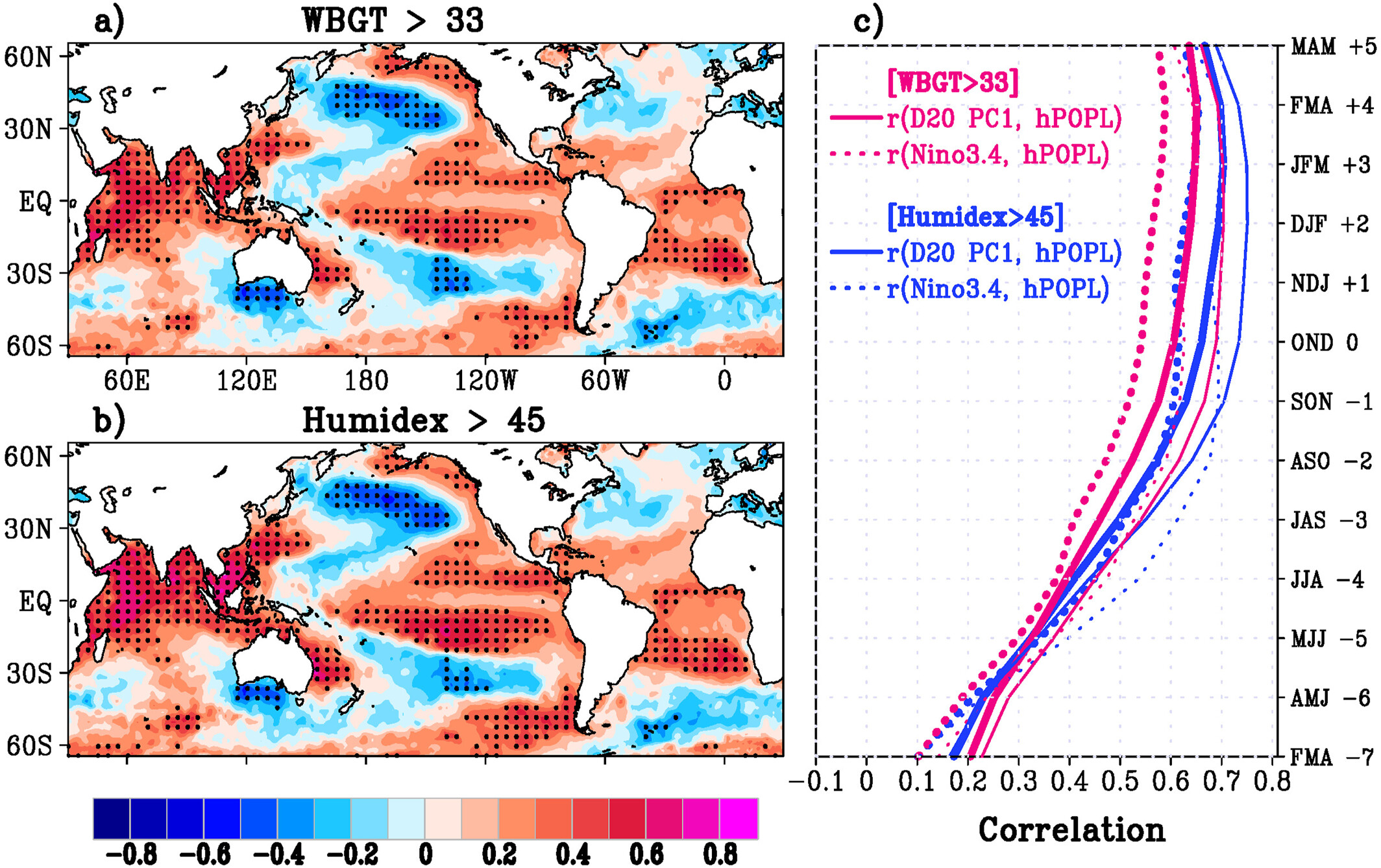
Rapid increase in tropical humid heat stress and its predictability in a warming world
Anthropogenic activities are exceeding safe thresholds in Earth systems, disrupting economies and ecosystems, while climate action lags. Since the mid-1980s, global productivity loss from humid heat stress has sharply increased, particularly in India, coinciding with elevated Indo-Pacific sea surface temperatures and rapid population growth. This loss signals a critical transition and is predictable up to six months ahead due to its correlation with ENSO. The findings emphasize the need to consider humid heat stress in estimating the socioeconomic costs of climate change and reveal a feedback loop where climate impacts hinder sustainable development efforts.
Saha Subodh K., Yashas S., Goswami B.N., Journal of Geophysical Research: Atmospheres, 131: e2026JD046437, August 2026, DOI:10.1029/2026JD046437, 1-19
Read More
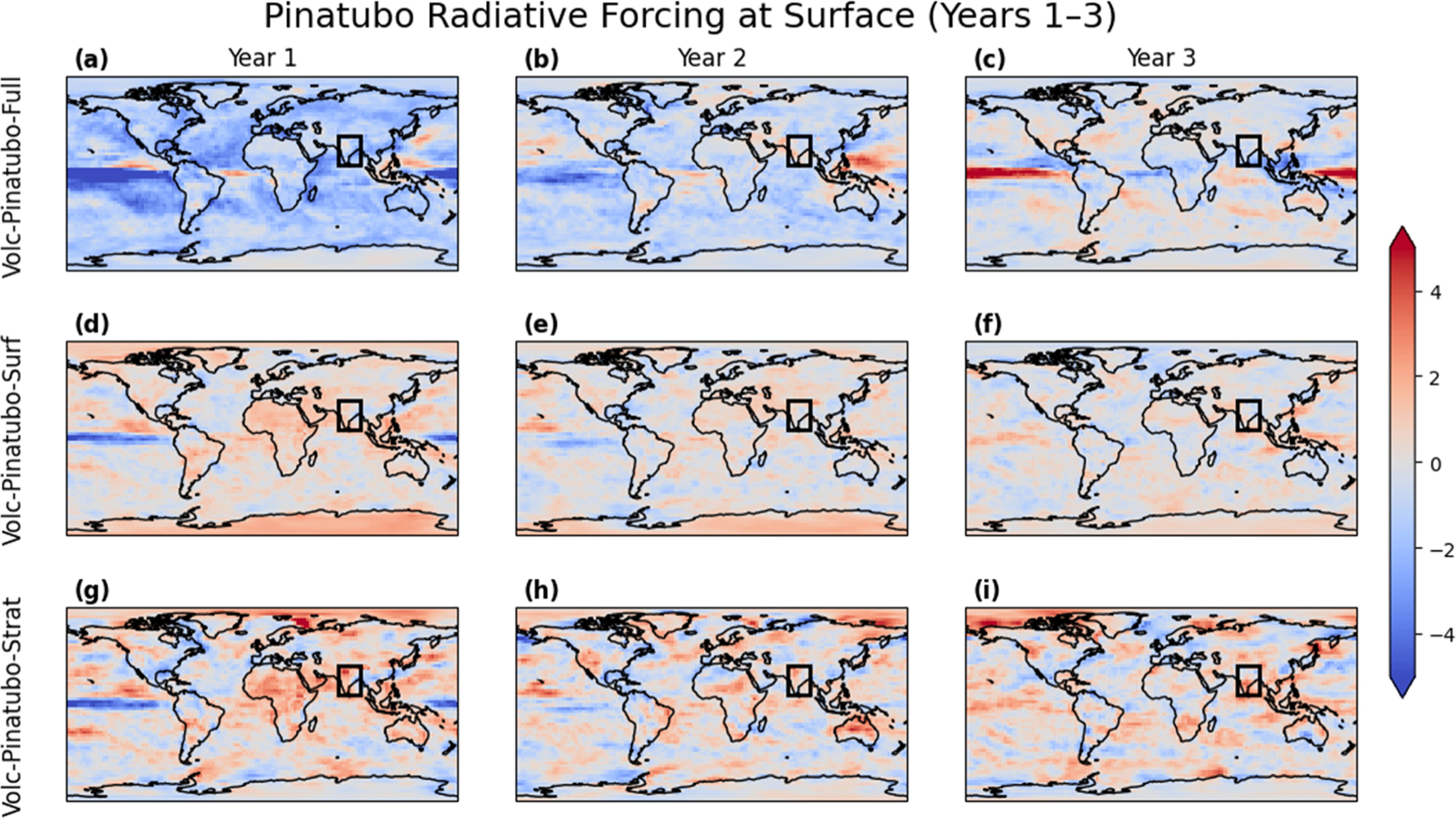
Unraveling the Indian Monsoon Response to Volcanic Forcing: Contrasting Roles of Surface Cooling and Stratospheric Heating in MIROC-ES2L-VolMIP-CMIP6 Simulations
Volcanic eruptions influence climate by introducing sulfate aerosols that cool the surface while warming the stratosphere. This study utilizes the MIROC-ES2L model to investigate how these contrasting mechanisms affect the Indian monsoon. It aims to clarify the distinct roles of surface cooling and stratospheric heating on monsoonal rainfall and atmospheric circulation. Controlled simulations emulate the 1991 Pinatubo eruption and idealized tropical events, revealing that surface cooling significantly reduces monsoonal rainfall by weakening land-sea thermal contrasts, while stratospheric warming has secondary effects. Additionally, stratospheric aerosol forcing creates a zonal SST gradient in the Indian Ocean, resembling a positive Indian Ocean Dipole that modifies regional circulation. The study highlights the importance of distinguishing radiative pathways in understanding volcanic effects on tropical rainfall, with implications for decadal prediction and climate variability amidst anthropogenic warming.
Singh M., Gupta D., Das D., Sudharsan N., Kamath H., Modi A., Kaur G., Krishnan R., Dey Choudhury Ayantika D.C., Swapna P., Narayansetti S., Prajeesh A.G., Srivastav A.K., Environmental Research Letters, 8: 071001, July 2026, DOI:10.1088/2515-7620/ae5762, 1-12
Read More
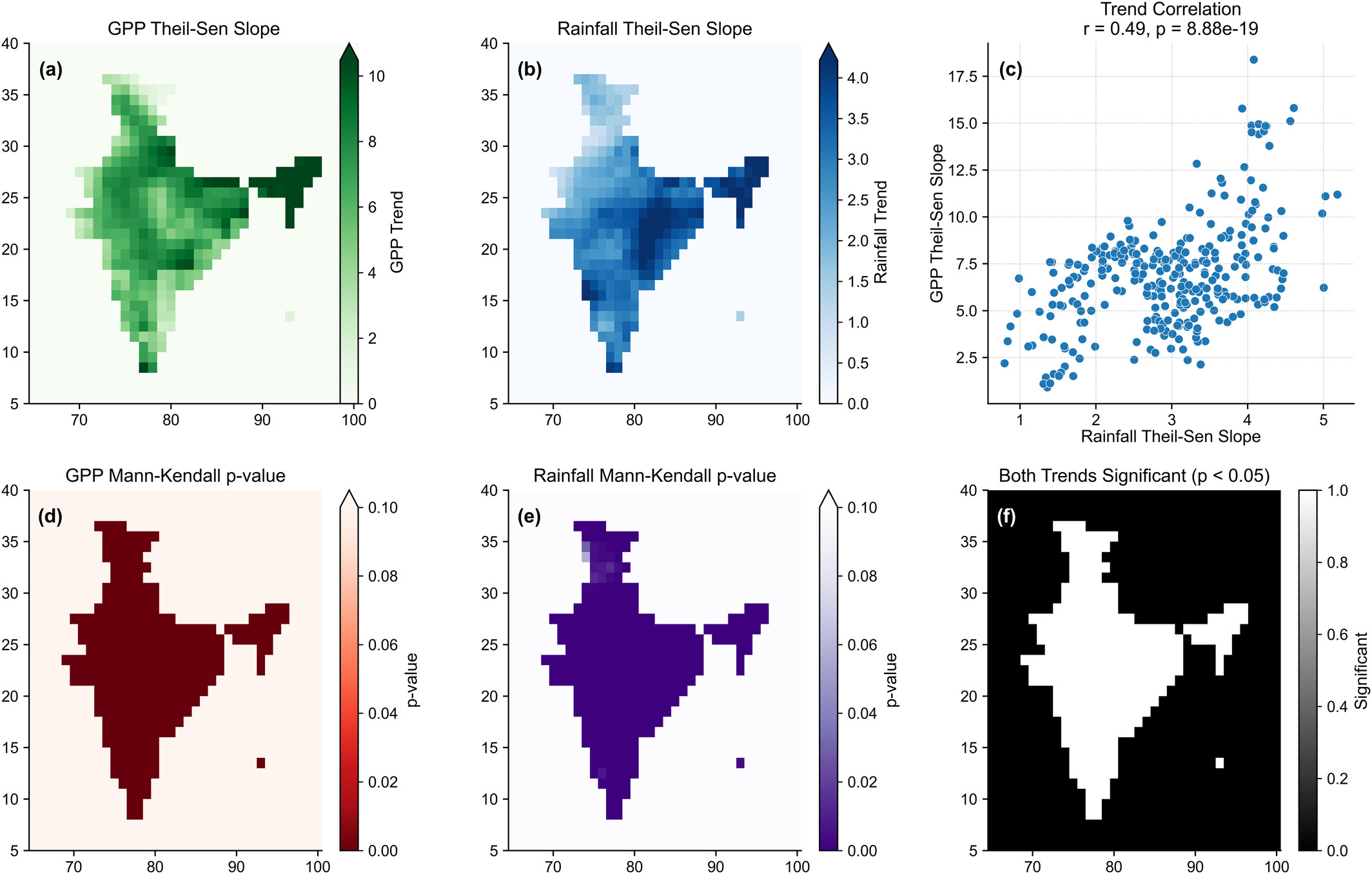
Temporal Dynamics of Gross Primary Productivity in India: From Historical to High Emission Scenarios
Understanding terrestrial primary productivity's response to climate change is essential for carbon management. This study examines Gross Primary Productivity (GPP) in India from 1985 to 2100 using CMIP6 models, alongside CMIP5 comparisons under high-emission scenarios. Results indicate historical GPP increases and further enhancements projected under the SSP5–8.5 scenario, predicting GPP up to 2.5 times historical levels, notably in the Indo-Gangetic Plain and Western Ghats. Despite these projections, CMIP models often underestimate GPP relative to observational data. Enhanced GPP trends in CMIP6 are linked to better precipitation and CO2 fertilization, with long-term climatic factors significantly influencing GPP variability. Accurate modeling of hydroclimatic processes and biosphere–atmosphere interactions is crucial for future productivity forecasts in monsoon-impacted areas.
Gupta Smrati, Tiwari Y.K., Kunchala R.K., Srivastava Ankur, Raghubanshi A.S., International Journal of Climatology, 46, July 2026, DOI:10.1002/joc.70490, 1-12
Read More
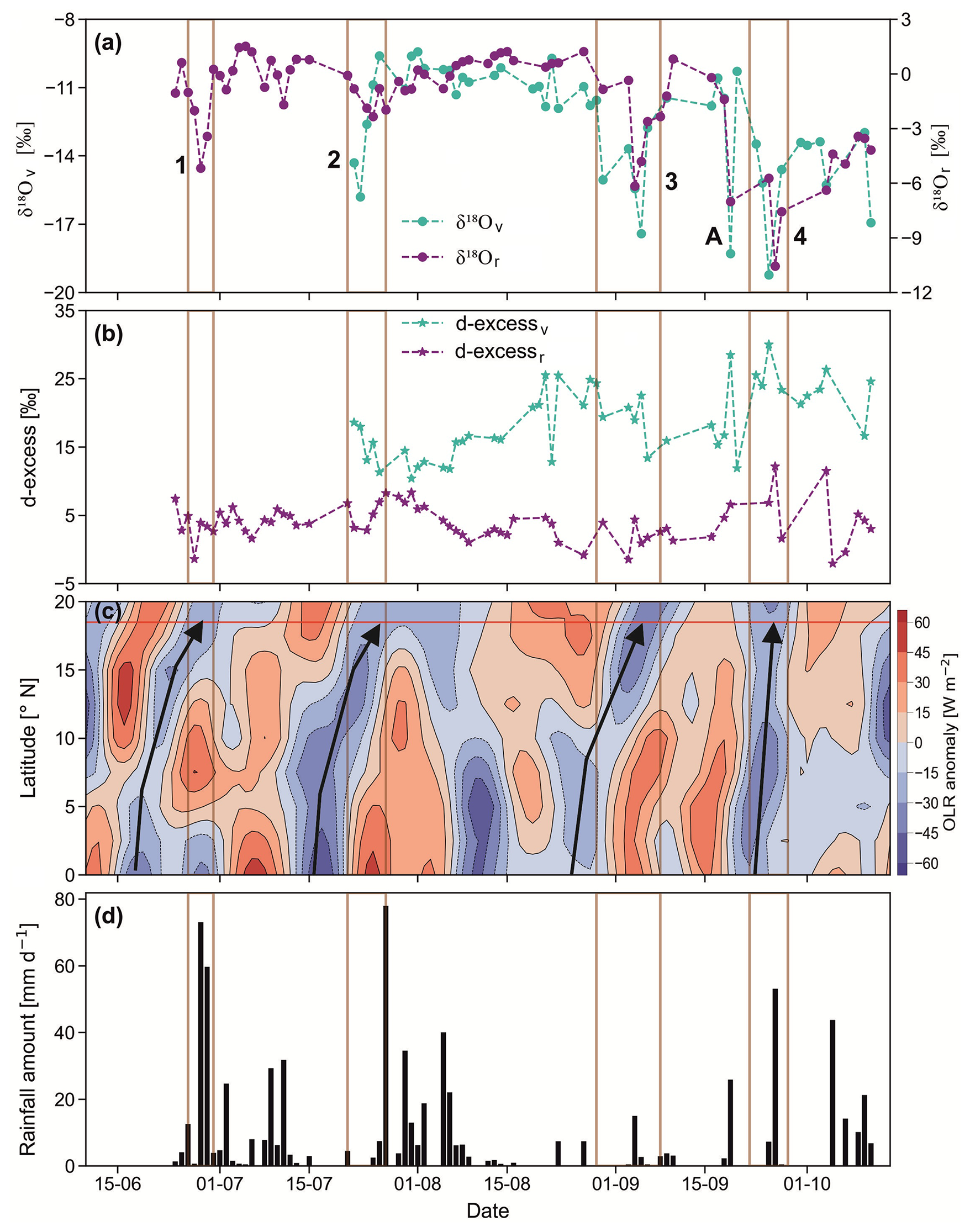
Assessing raindrop evaporation over northern Western Ghats from stable isotope signature of rain and vapour
Raindrops partially evaporate as they fall through the unsaturated air below. This evaporation cools the surrounding air and generates downdrafts. Raindrop evaporation is an important process that influences the atmospheric heating profile and helps maintain monsoon circulation. Weather and climate models estimate the fraction of rainfall that evaporates before reaching the ground using cloud microphysics schemes, but observational constraints on these estimates remain limited. Using stable isotope measurements of rainwater and atmospheric water vapour, we tried to estimate the daily raindrop evaporation fraction in a tropical rain-shadow region during a summer monsoon season. Our results show that between 4% and 61% of rainfall evaporates below the cloud base on a daily basis, with a seasonal average of 23% over the study area.
Nimya S.S., Rajaveni S.P., Sengupta S. Bhattacharya S.K., Ananthavel N., Atmospheric Chemistry and Physics, 26, June 2026, DOI:10.5194/acp-26-9061-2026, 9061-9082
Read MoreNew Publications
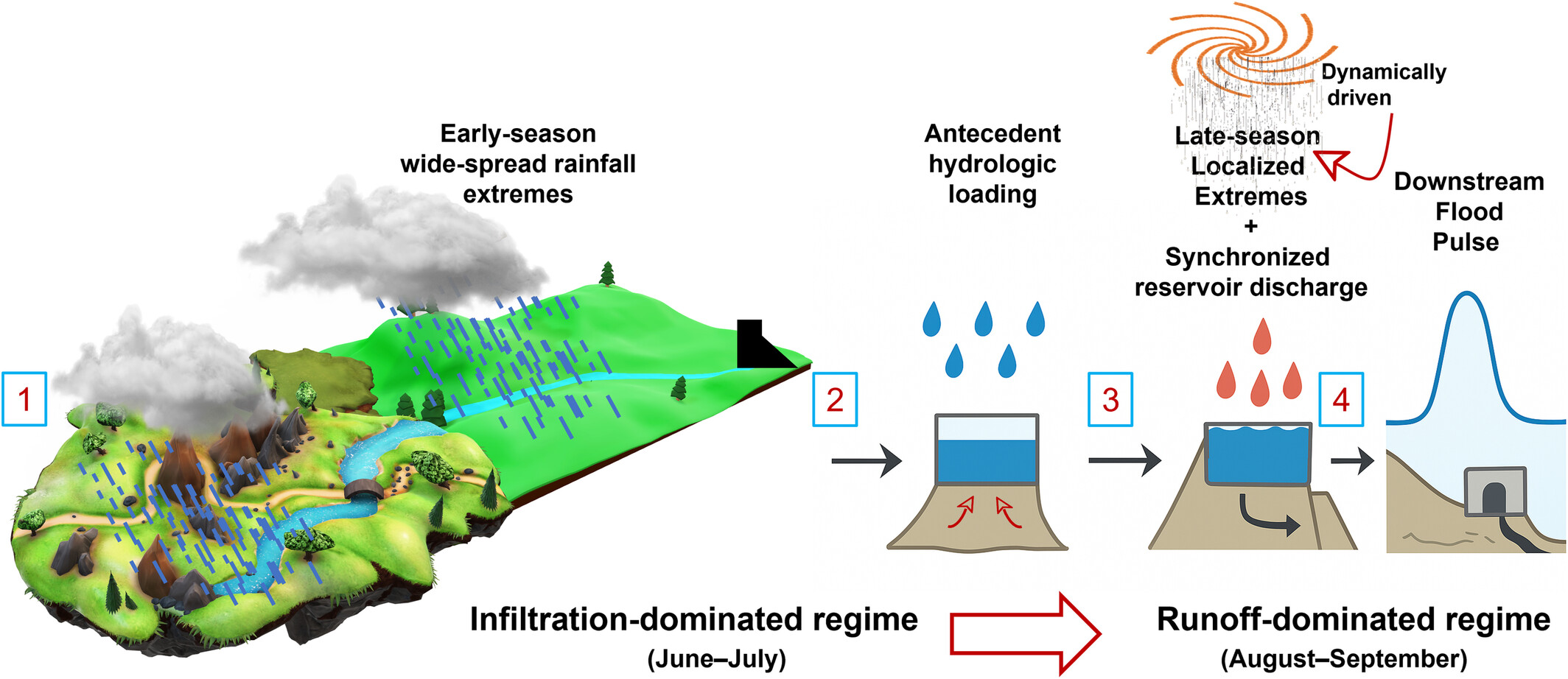
Monsoon-Driven Hydrological Pathways of Flood Generation in Semi-Arid River Basins
Varghese R., Chowdary J.S., Gnanaseelan C., Hydrological Processes, 40: e70622, July 2026, DOI:10.1002/hyp.70622, 1-16
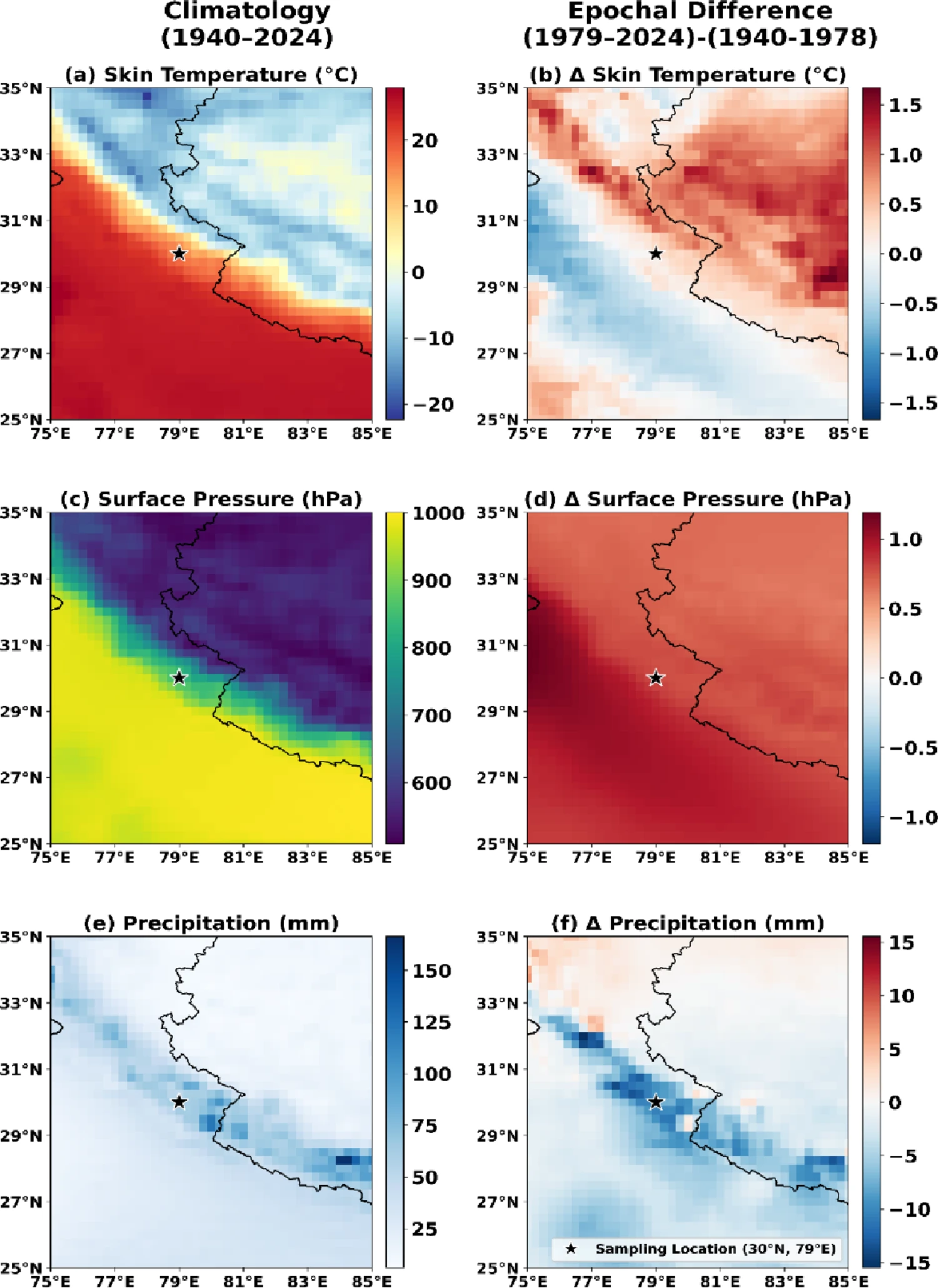
Leaf ecophysiological responses to climate variabilities revealed its sensitivity and adaptive strategies of treeline ecotone species in the western Himalaya, India
Gupta R., Mishra A., Joshi R.K., Yadav R.K., Garkoti S.C., Upadhyay S., Trees, 40: 99, July 2026, DOI:10.1007/s00468-026-02806-2, 1-14
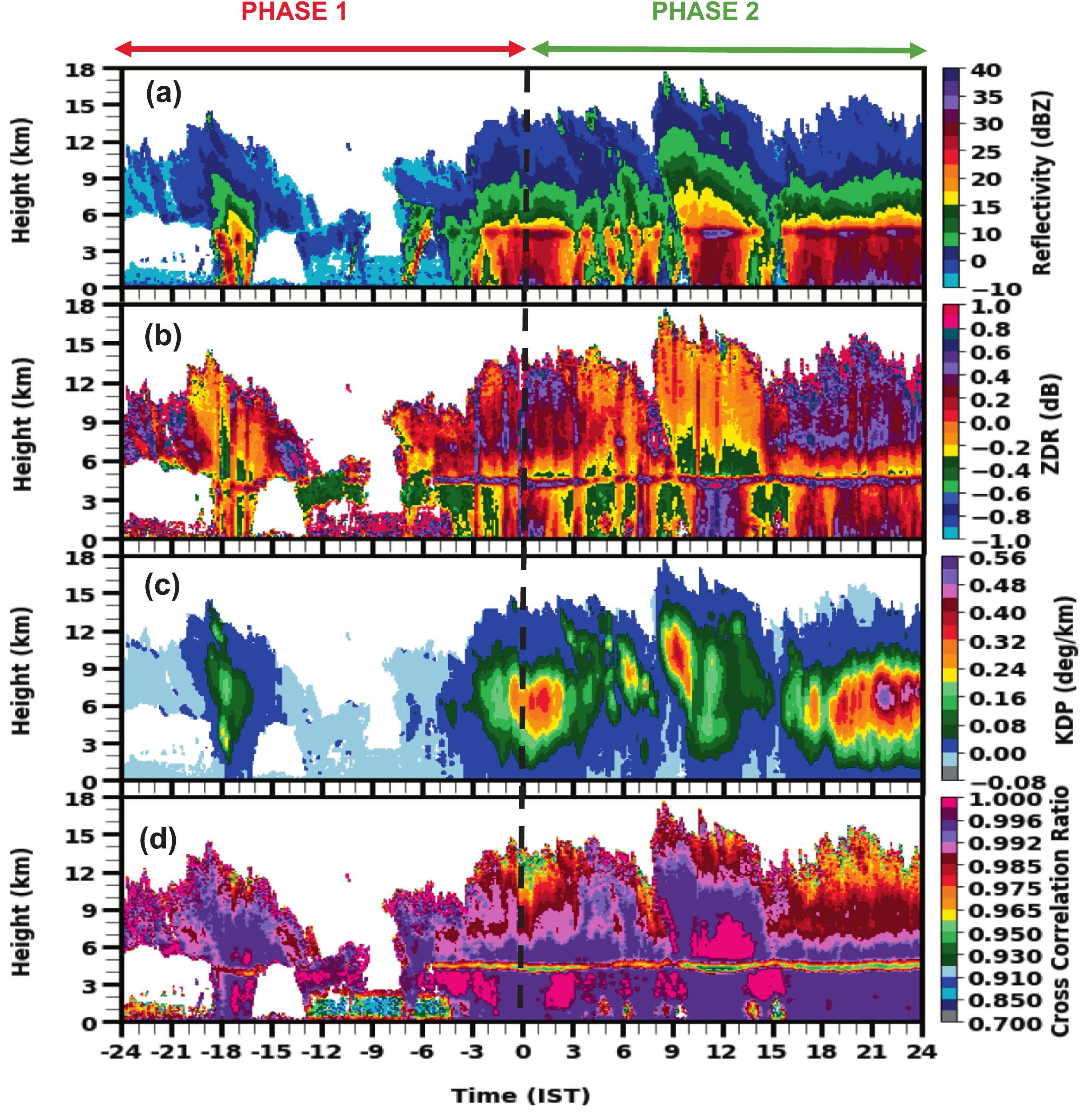
Radar-derived rain-type classification for heavy-rain episodes over the Indian Core Monsoon Zone: Insights into vertical structure and temporal evolution
Hanmante H.S., Deshpande S.M., Das Subrata K., Deshpande M., Atmospheric Research, Online, July 2026, DOI:10.1016/j.atmosres.2026.109190, 1-15
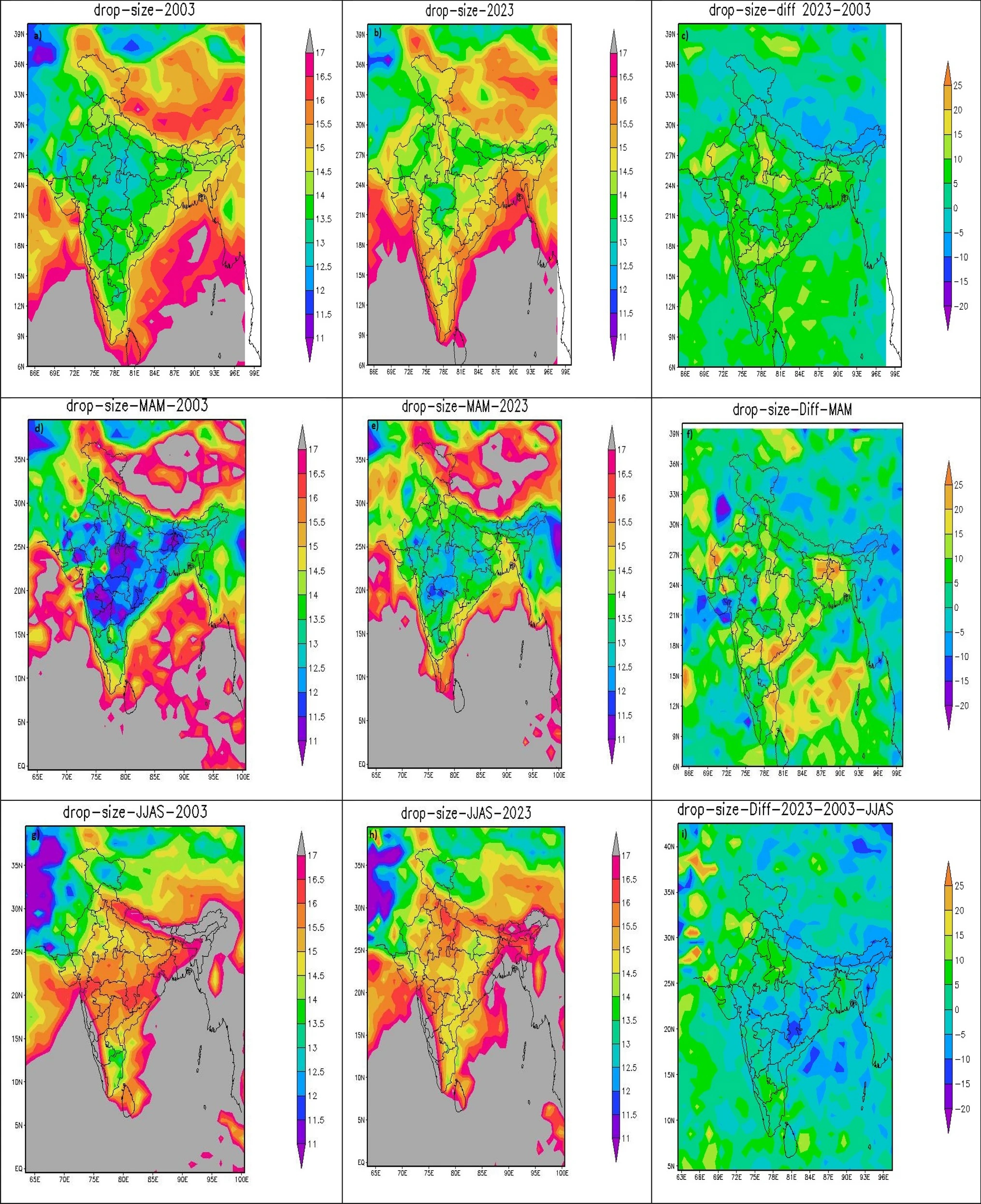
Rainfall variation in Indian regions during the past 21 years and its relationship with atmospheric aerosol
Lal D. M., Umakanth N., Biswasharma R., Domkawale M.A., Acta Geophysica, 74, July 2026, DOI: 10.1007/s11600-026-01937-x
IITM Events

Swachhta Pakhwada 2026
(01-15 July 2026)
A series of cleanliness and community outreach initiatives were held in support of the Swachh Bharat Abhiyan. Key activities included campus-wide awareness campaigns, a Plastic Collection Drive, cleanliness drives at various IITM centres, visit to a Special Children's Hostel for hygiene awareness and distribution of household items and participated in the Wari outreach initiative.
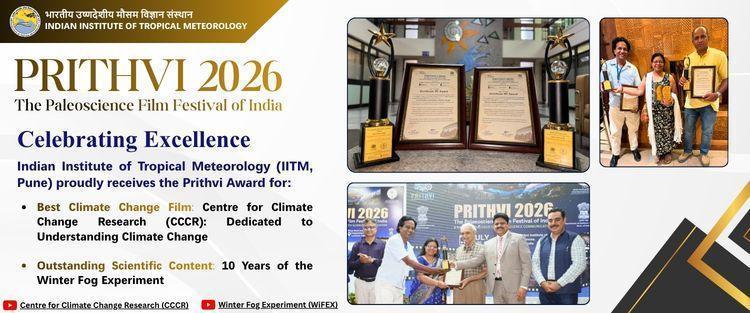
Prithvi Award 2026
(July 2026)
IITM has won PRITHVI 2026 – The Palaeoscience Film Festival of India (a national-level film festival organized by the Birbal Sahni Institute of Palaeosciences (BSIP), Lucknow)
a) Best Climate Change Film Award for the IITM film "Centre for Climate Change Research (CCCR) dedicated to understanding Climate Change"
b) Outstanding Scientific Content Award for the film "10 years of the Winter Fog Experiment"
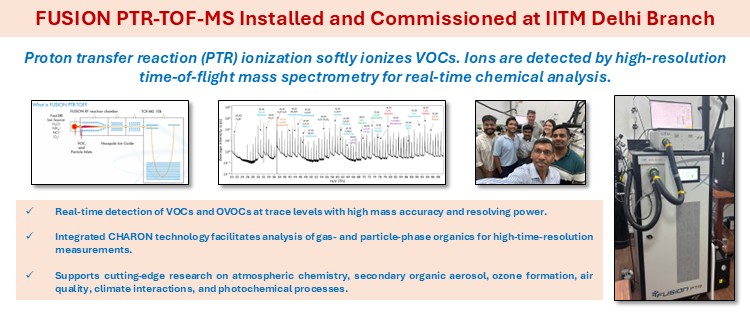
Fusion PTR-TOF-MS at IITM-New Delhi and C-ART, Visakhapatnam
(June 2026)
The Fusion proton-transfer-reaction time-of-flight mass spectrometry (PTR-ToF-MS) has been installed and commissioned at the IITM branch office, New Delhi and Coastal Atmospheric Research Testbed (C-ART), Visakhapatnam. The system aims to support cutting-edge research on atmospheric chemistry, secondary organic aerosol, ozone formation, air quality, climate interactions, and photochemical processes.

MoU signed by IITM
(18 June 2026)
IITM signed MoU with Aryabhatta Research Institute of Observational Sciences (ARIES), Nainital, to strengthen collaboration in climate and atmospheric sciences.